
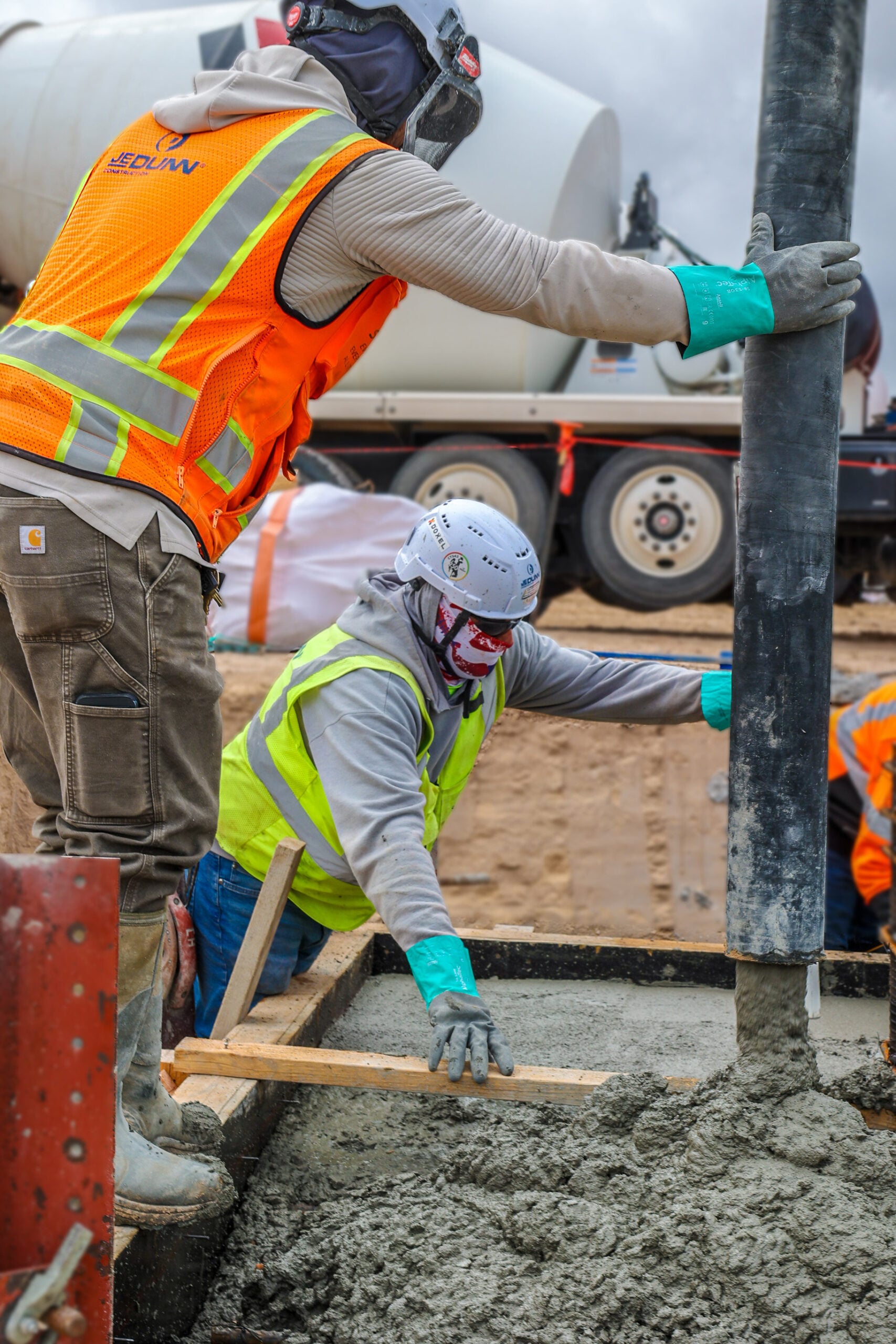



Self-Perform is growing, but its growth tells a bigger story than contractors simply taking on more scopes. As projects become more complex and labor more constrained, JE Dunn is looking for ways to create greater certainty around how work gets planned and executed. We’re seeing that shift firsthand across the West.
From our perspective of leading self-perform operations, several changes stand out.
There is a misconception that self-perform is simply about a general contractor taking on work we could otherwise subcontract. Some owners are understandably cautious, questioning whether self-perform means performing the same work less efficiently or at a higher markup, which is far from the case.
Having greater control over specific scopes of work can create more certainty around schedule, safety, quality, and coordination. That’s part of the value we see in self-perform. But that also comes with greater responsibility. When we perform scopes ourselves, we’re assuming the risk of executing that work while maintaining our responsibility to the project as a whole.
That accountability shapes how we approach self-perform. It requires us to plan the work in detail, understand how it interacts with other scopes, and consider the impact across the entire project. And as our experience has grown, so has our confidence, both in executing our core scopes, and in identifying new opportunities where greater control could benefit the project.
Our approach is less about expanding self-perform and more about asking: Where could more ownership give the project a better outcome?
One example is hoisting. Traditionally, crane and hoisting needs may be carried within individual trade partners’ scopes, meaning multiple trades are coordinating large equipment around their own work. On one of our hyperscale data center projects in Arizona, we took a different approach: JE Dunn’s Heavy Equipment Solutions (HES) is providing hoisting across the project. Trade partners coordinate their lifting needs through one operation, giving the project team a more holistic view of when and where equipment is needed. This eliminates dozens of costly crane mobilizations from multiple parties and allows one party to safely plan and execute often high-risk picks. The result is greater control over coordination, safety, and cost while helping trade partners focus their resources on their core work.
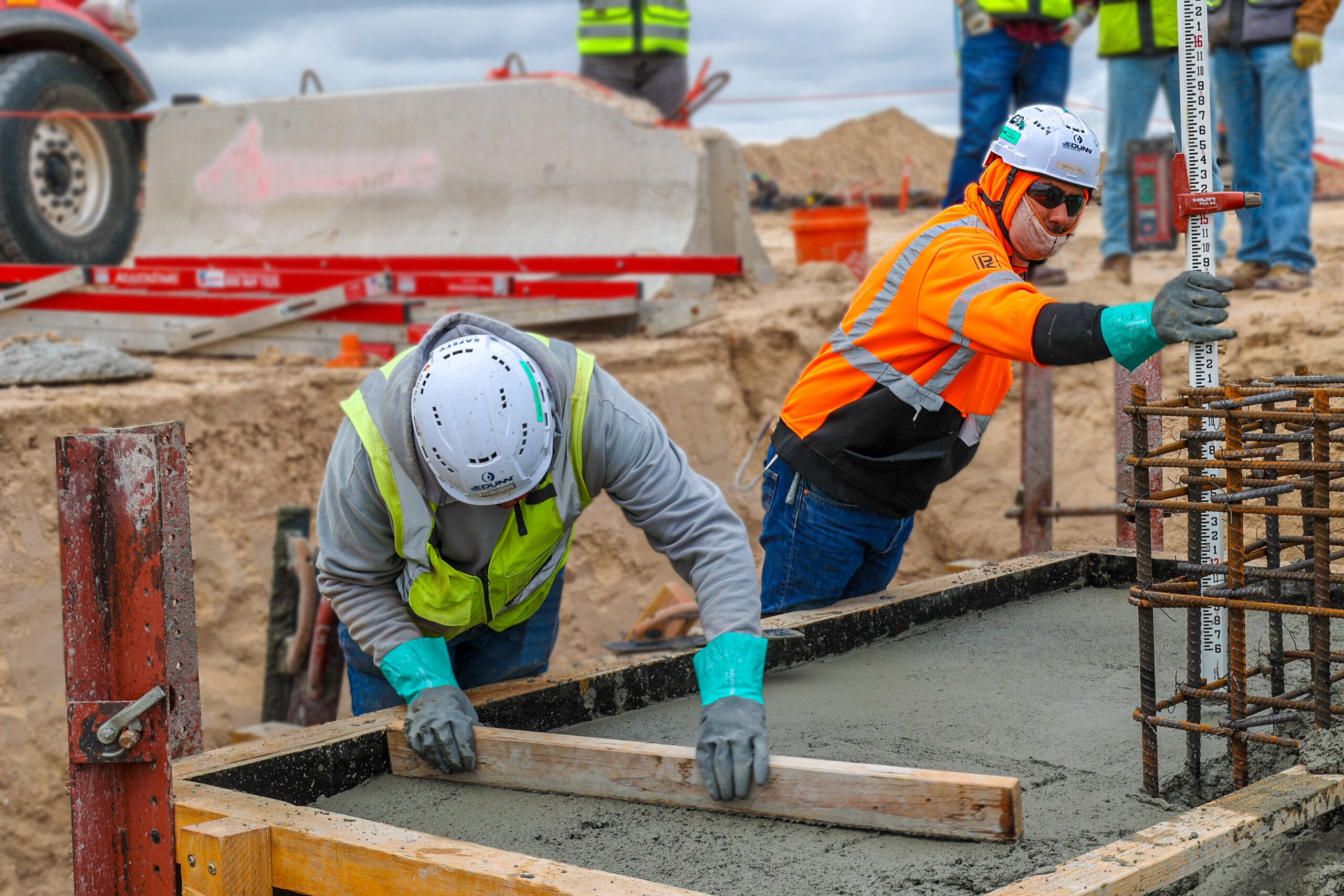
Self-perform doesn’t have to mean general contractor versus trade partner. In many cases, we’re seeing the opposite. It gives us another way to work alongside our trade partners, understand where they need support, and determine how our combined resources can best serve the project.
That becomes especially valuable when skilled labor is constrained. Rather than simply asking what work we can take ourselves, we can look at where a trade partner’s resources are most valuable and where our workforce can complement them. Sometimes those opportunities are planned from the beginning, and other times they present themselves as the work progresses.
We’re seeing that play out in different ways across our projects right now. Again, on one of our hyperscale data centers in Arizona, electrical trade partners may have miscellaneous steel or equipment-setting needs alongside their core electrical scopes. Our self-perform team is taking portions of that supporting work, allowing skilled electricians to remain focused on electrical work that is critical to moving the project forward. This opportunity was identified through collaboration and communication during the project.
On our expansion project at UCHealth’s Memorial Hospital North in Colorado Springs, Colorado, Baker Triangle is prefabricating wall panels in Texas. They would typically send an installation team to Colorado for roughly three to four months and carry the associated travel and per diem costs to put the panels in place. Instead, Baker Triangle will remain responsible for the scope, while JE Dunn will work as a sub-subcontractor to perform the installation with local craft.
Both examples point to the same shift: self-perform doesn’t have to be about deciding who gets the work. It can be about looking at the resources available across the entire team and finding the smartest way to put them to work.
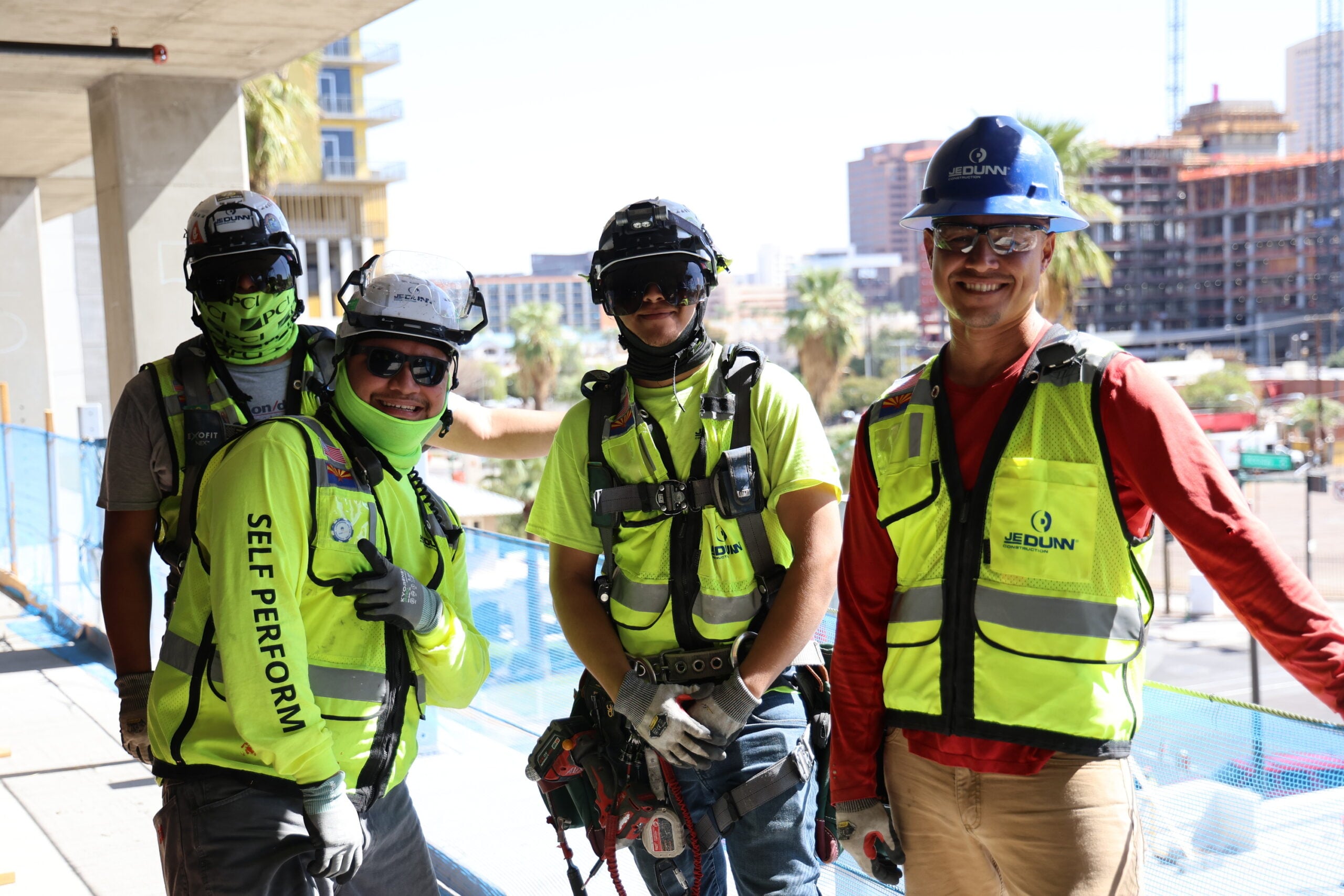
The role of general contractors continues to evolve as construction becomes more complex. However, sophisticated project management doesn’t lessen the need to understand how the work actually gets put in place. If anything, it makes that understanding more important. Self-perform creates an opportunity to get closer to the work and develop a deeper understanding of what it takes to build.
That starts with the details. Managing self-perform means understanding how to plan a crew, order materials, sequence work, forecast costs and manpower, and solve the everyday challenges that come with putting work in place. Weather changes. Materials don’t arrive when expected. Conditions in the field change. Different personalities and priorities have to be managed. Those experiences build an understanding of construction that is difficult to get from behind a desk.
For younger builders especially, self-perform can become a training ground for greater responsibility. A project engineer managing a self-perform scope gets exposure to many of the same responsibilities they’ll eventually manage across an entire project, but on a smaller scale and much more detailed.
Whether they ultimately pursue a project management or superintendent path, they’re learning not only what needs to happen, but how the work gets built.We’re continuing to see the impact. We have watched project engineers begin self-perform assignments with limited experience and, within six to nine months, take ownership of nearly every aspect of managing that work. We have also seen younger project engineers seek out self-perform assignments because they recognize the opportunity to take on responsibilities earlier in their careers. Self-perform isn’t only helping us build projects. It’s helping us build the next generation.
The growth of self-perform isn’t simply about JE Dunn performing more work. It reflects a broader shift toward greater ownership of how increasingly complex projects get built, while still finding new ways to work alongside trade partners and develop the builders who will lead the industry forward. The future isn’t about self-performing everything. It’s about knowing where greater involvement can create a better outcome.

