


Minimizing disruption to ongoing business operations during construction is critical for any owner in any market. As a trusted partner and national builder, JE Dunn Construction applies strategies and lessons learned from one industry to another, adapting its approach to plan, phase, and execute construction on active jobsites according to each owner’s unique vision and needs.
While every project has its own set of considerations, here are some successful strategies JE Dunn project teams use nationally to deliver safe, quality outcomes on time.
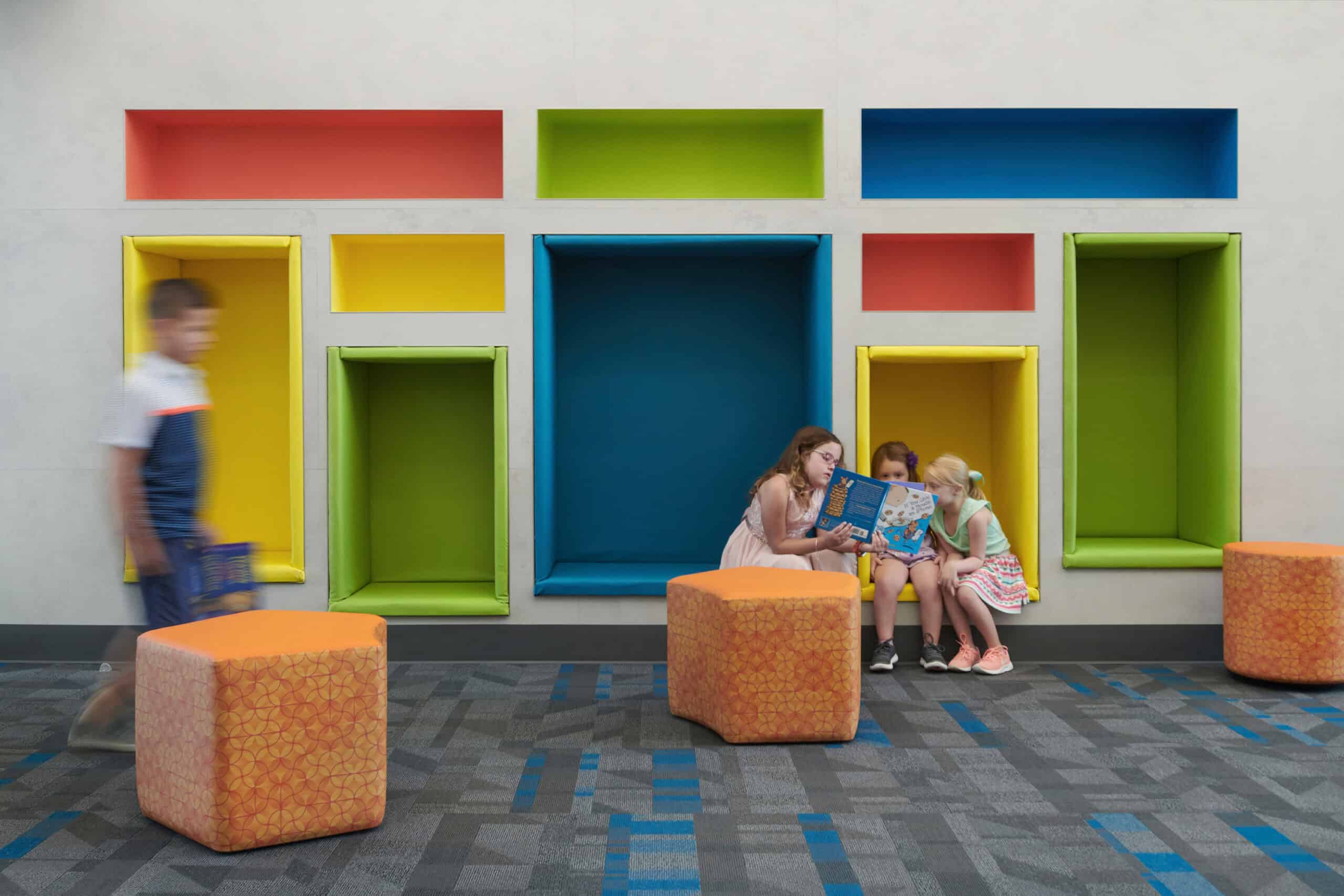
When it comes to working in schools, ultimately, students are our clients. Determining how best to protect not only our project team but also students and staff shapes the entire construction process — especially when working in occupied buildings.
Building a new school while the existing at Hesse K-8 School in Savannah, Georgia, remained occupied required careful coordination. Teams were performing work that was loud and potentially disruptive, including structural steel erection and masonry. The project team observed silent hours during critical activities like standardized testing to ensure construction activities didn’t compromise exam results.
Parents and school staff know how stressful the drop-off and pick-up processes can be. JE Dunn education project teams bear that in mind and avoid adding to that stress. Typically, project teams don’t schedule deliveries during those periods, and don’t permit construction teams or trade partner traffic to intermingle with parents, teachers, or students. In JE Dunn’s work at Evans High School in Evans, Georgia, the team implemented more than 30 detailed security phasing plans, including temporary corridors, and coordinated closely with fire marshals and law enforcement to protect students and staff.
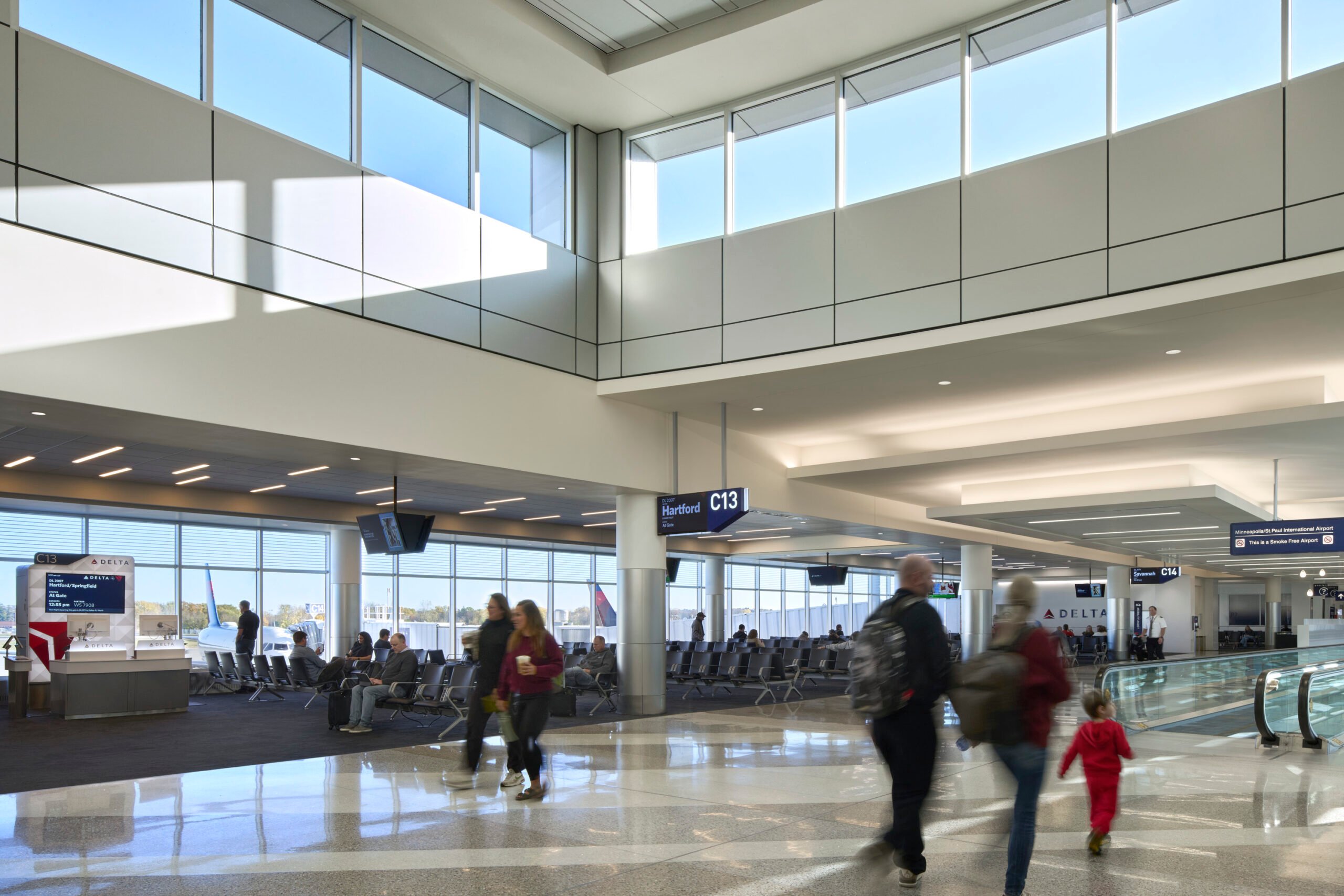
For airports and airlines, maintaining a positive and consistent passenger experience is crucial year-round, but especially when travel peaks around holidays and citywide events. JE Dunn aviation leaders work closely with airline and airport staff to avoid disruptions to travelers during construction and to ensure a smooth travel experience from the time someone leaves for the airport to the time they land at their destination.
The goal for aviation construction teams is to be a good neighbor and partner of the airlines and airport while a project is under construction, particularly when working in an operating terminal or concourse. Teams give a lot of thought to phasing of project activities to minimize disruptions like having areas closed off to passengers or systems offline during high-traffic travel times.
Project teams like the crew that built the new concourse at Charlotte Douglas International Airport work with clients to assess peak operation times and demands for things like security checkpoints, bathrooms, and parking. This close collaboration in Charlotte ensured that when it came time to turn off and connect the concourse’s security systems like card readers and cameras, the team could physically deploy people to stand by doorways and guard them to help maintain airport security. Being thoughtful about when shutdowns are necessary and how they’re handled is key to being an authentic construction partner that’s aligned with our client’s values and vision.
Controlling building materials and site cleanliness are two priorities for every aviation project, but especially with landside construction efforts like the United Airlines Ground Service Equipment Maintenance Facility at Houston’s George Bush Intercontinental Airport. Teams may recommend material swaps during buyout for rope or chain because red caution tape could blow away too easily. FOD, or foreign object debris, is any material that could potentially impact airside operations or most importantly, human safety. While every airport is unique, all aviation clients need their partners to think very critically about how to minimize FOD to maintain everyone’s safety and smooth operations.
When building in active healthcare environments, safety and well-being must come first — for both patients and the trained staff caring for them. A recent construction study shows preconstruction safety planning is nearly universal for U.S. contractors on projects for all industries, but there’s still room at the table to include more health and safety directors in that process. All JE Dunn project teams include safety team members that are engaged throughout each project stage. In preconstruction, our safety experts help create custom safety plans that are tailored to the project, client, and JE Dunn’s own culture of safety for everyone, everywhere, all the time.
On healthcare projects, this can look like coordinating closely with care teams, communicating often, and proactively planning and monitoring for any impacts from construction activities to ensure our community members get the quality care they need.
During the Oklahoma Children’s Hospital PICU renovation in Oklahoma City, the team posted floor plans on the floors surrounding construction and coordinated with charge nurses daily to identify and flag areas with extra sensitive patients. This approach ensured areas — and patients — requiring extra care and caution were well marked and communicated to the entire team.
Demolition at Covenant Medical Center in Lubbock, Texas, occurred less than 30 yards from active operating rooms, requiring hand removal of building materials without heavy equipment to eliminate vibration, dust, and noise that could disrupt patient care. The team employed continuous vibration monitoring along the demolition line and implemented comprehensive dust control measures, including filter media on intake returns, daily dust monitoring, mechanical room dust monitors to track particulate counts, and onsite water truck operations for continuous dust suppression. This meticulous approach ensured zero disruption to hospital operations throughout the three-year construction period.
It’s not every day that you have hundreds of people flying over an active construction site. During the construction of the giraffe barn and habitat at the Kansas City Zoo and Aquarium, however, this was all part of keeping regular zoo operations running, like the Sky Safari chairlift that crosses over the African exhibits. Recognizing that construction occurs within an active, guest-facing environment, we approach the work as an extension of the overall visitor experience. The project site is treated as a “living exhibit,” reflecting the quality, care, and intent of the final product. Strategically placed visual signage will communicate the future vision and enhance guest understanding, while regularly scheduled site walks with zoo staff ensure ongoing alignment, coordination, and presentation. This approach uses multiple strategies to maintain a clean, organized, and engaging project presence throughout construction, minimizing disruption while reinforcing a positive perception of the work in progress.
When possible, JE Dunn teams and trade partners would coordinate to minimize work impeding operations prior to the zoo opening. During preconstruction, the team frequently visited the project site to create a logistics plan with temporary sidewalks and fencing to create a new pathway, maintaining the continuous loop. Part of the logistics plan recommended for large deliveries to occur early in the mornings. For miscellaneous demolition or work that happened outside of the construction fence, the team coordinated this to occur in the early mornings or late evenings outside public visiting hours. Lastly, when switching over to permanent power, the project team scheduled the transformer installation from 1 to 7 a.m. so any potential power outages would not affect zoo staff, visitors, or resident animals.
This strategy resulted in the team shutting down the Sky Safari for only approximately two weeks in total throughout the 14 months of construction for activities such as rammed aggregate piers and structural steel erection.
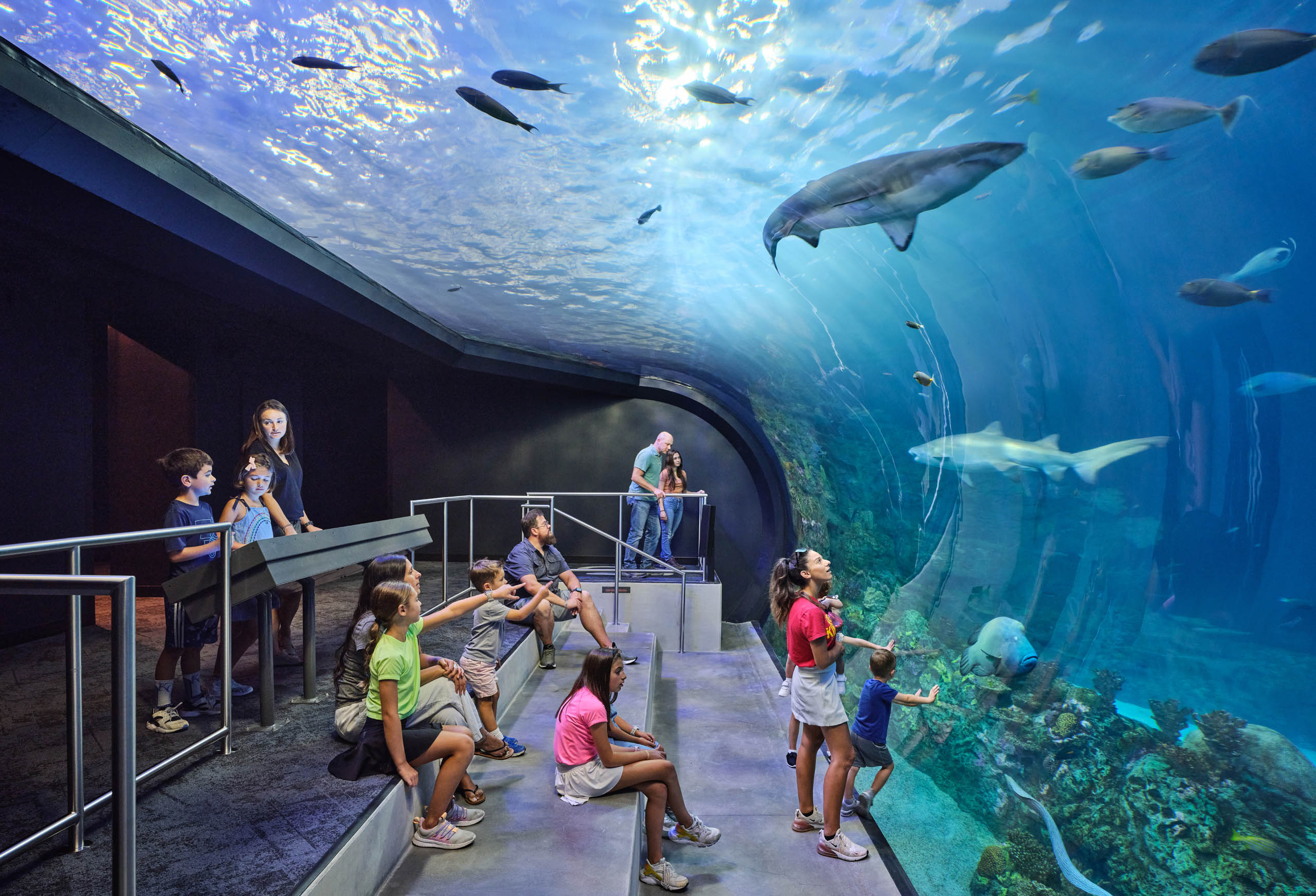
During construction of the Kansas City Zoo’s Sobela Ocean Aquarium, careful safety planning and phased turnover was key to protecting humans and zoo animals alike. Fall protection at tanks before they were filled with water was a major focus for the duration of the project. JE Dunn ensured necessary railings, access platforms, scaffolds, and stairs were installed in each tank for safe access in and around the tanks.
The planned phases also had to ensure the safety of animals if additional work was required in areas after being turned over. Thousands of animals needed to be populated in tanks prior to substantial completion, requiring controlled access to areas and additional protection as animals acclimated to their new habitats.
Renovating occupied office space requires a different level of planning, communication, and adaptability.
In 2025, JE Dunn teams put our own strategies to the test by renovating our downtown Kansas City headquarters while our employees remained fully operational in the space. The project introduced flexible, collaborative environments — including a large indoor-outdoor social area, informal lounges, enhanced meeting spaces, private phone booths, and upgraded individual workstations.
Working within our own active workplace offered a unique perspective on what it takes to successfully deliver construction in a tenant-occupied environment. Here’s what we implemented and what we learned along the way.
Maintaining operations during renovation meant phasing improvements strategically, ensuring employees could work productively while spaces transformed. To do this, our team phased construction by floors with carefully planned temporary seating and cubicle-sharing for employees. Pairing employees up to share cubicle space ensured everyone had designated spaces to work in when virtual meetings or working from home weren’t possible. As each floor was completed, employees were then able to slowly and safely move into more of their permanent work locations.
Transparency about the project plans and progress being made was key to maintaining a positive working environment during the headquarters’ renovation. One way our project team kept employees informed about the renovation updates, moving plans, and what the final outcome would look like was filming and sharing monthly update videos. Showing and telling our own employees what work was being done and how final designs came together made a big impact in answering questions and sustaining JE Dunn’s people-first culture amid big changes

