


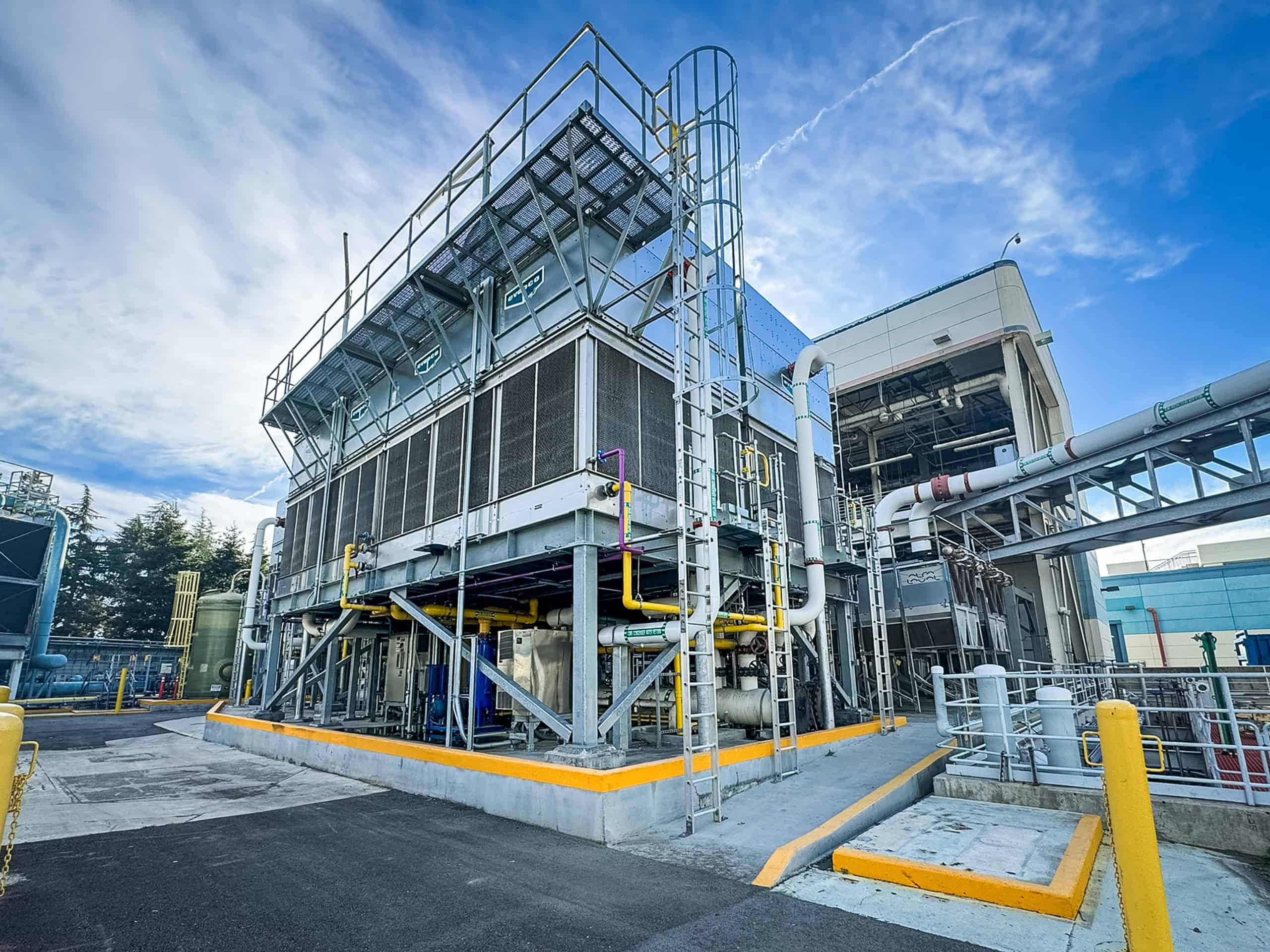


In recent years, U.S. manufacturing has moved from discussion to decisive action. Reshoring, targeted incentives, and technology-driven productivity gains are creating a wave of investment comparable to a once-in-a-generation expansion of industrial capacity. At the same time, the very forces that make this moment attractive are setting up tighter windows, scarcer resources, and more intense competition for the right sites, partners, and people.
A rare alignment of tailwinds
Several powerful tailwinds will converge this year and in 2027. Domestic and regional supply chains are accelerating as manufacturers seek resilience, visibility, and control after years of global disruption. Federal and state policies are backing this shift with meaningful incentives for production-focused capital projects, including enhanced deductions for qualifying facilities that break ground in the near term.
At the same time, advances in automation, robotics, and data-driven operations are helping U.S. plants close the cost gap with offshore production. When manufacturers combine those technologies with modern facilities and access to skilled labor, the business case for investing at home becomes much stronger.
Why this window will not last
The conditions that make expansion attractive today also create pressure that will make projects harder to deliver later. As more manufacturers move forward, demand for industrial sites, utility capacity, specialized equipment, and experienced design-build partners intensifies. That leads to capacity constraints, longer lead times, and more competition for the same resources, especially in high-growth corridors serving automotive, food, energy storage, and advanced technology sectors.
Incentives are also time-bound. Many facility-related tax incentives and deductions are tied to construction start dates and when assets are placed in service. Waiting to launch a project can mean missing out on incentives for the same limited pool of funds as a growing number of peers. As policy, interest rates, and geopolitical priorities evolve, manufacturers can’t assume that today’s favorable environment will look the same in three to five years.
Compressed timelines and rising complexity
Project complexity is increasing just as timelines compress. Owners no longer build simple warehouse-style plants; they are commissioning highly automated facilities with strict environmental, quality, and safety requirements. These projects require early integration of process equipment, utilities, digital infrastructure, and building systems from day one.
Leading manufacturers are embracing a full-service, turnkey approach by selecting partners who offer integrated planning, design, engineering, and construction capabilities. This seamless integration streamlines project delivery, minimizes interfaces, and significantly reduces project risk. As more owners pursue integrated delivery models to achieve speed to market goals, the availability of teams to execute complex industrial programs also becomes a limiting factor.
Acting now to secure choice instead of compromise
The question for manufacturing leaders is not whether to invest but when. Moving now, while incentives are strong and capacity is available, it gives owners more control over three factors that matter most: site, schedule, and team.
Early movers can secure preferred locations with the right power, water, logistics, and workforce instead of settling for second-best sites that add long-term cost. They can also lock in integrated teams that have relevant sector experience rather than assembling ad hoc groups around an urgent timeline.
On the flip side, waiting risks entering the market when supply chains are fully loaded, top partners are booked, and incentives have shifted or expired. At that point, projects still happen — but they come with more compromises, more risk, and fewer levers to pull when conditions change.
What manufacturers should do in 2026-2027
For manufacturers considering capital projects in the next decade, this year and next should be treated as an action window, not a holding pattern. Owners can start by:
The companies that look back on this period with confidence will be those that transformed a favorable but finite moment into strategic, future-proof capacity, rather than waiting until the “easy” window closes and the market chooses for them.
About the Authors
Shaun Alexander
Senior Client Solutions Manager, Industrial & Manufacturing
Shaun Alexander has nearly 30 years in construction and 19 years with JE Dunn. He brings deep expertise in project planning, delivery strategy, and client solutions for industrial and manufacturing facilities. With a background in project management and preconstruction, Shaun helps owners make confident, informed decisions in competitive markets. He’s active in IAMC, Site Selectors Guild, and SCEDA, and serves as Vice Mayor of Thompson’s Station, Tennessee, applying his community leadership experience to support economic development efforts.
Jeremy Baum
Vice President & Kansas City Industrial & Manufacturing Market Leader
Jeremy Baum, Vice President and Kansas City industrial & manufacturing market leader, has more than 20 years of experience leading complex projects and high-performing teams. Known for his collaborative style and strong client relationships, he has helped build our industrial & manufacturing footprint across the region. Jeremy is passionate about delivering purposeful facilities and positioning JE Dunn as a trusted partner in Kansas City’s growing industrial & manufacturing market.
Fill out the form to receive The Look Ahead, JE Dunn’s quarterly economic report.
