

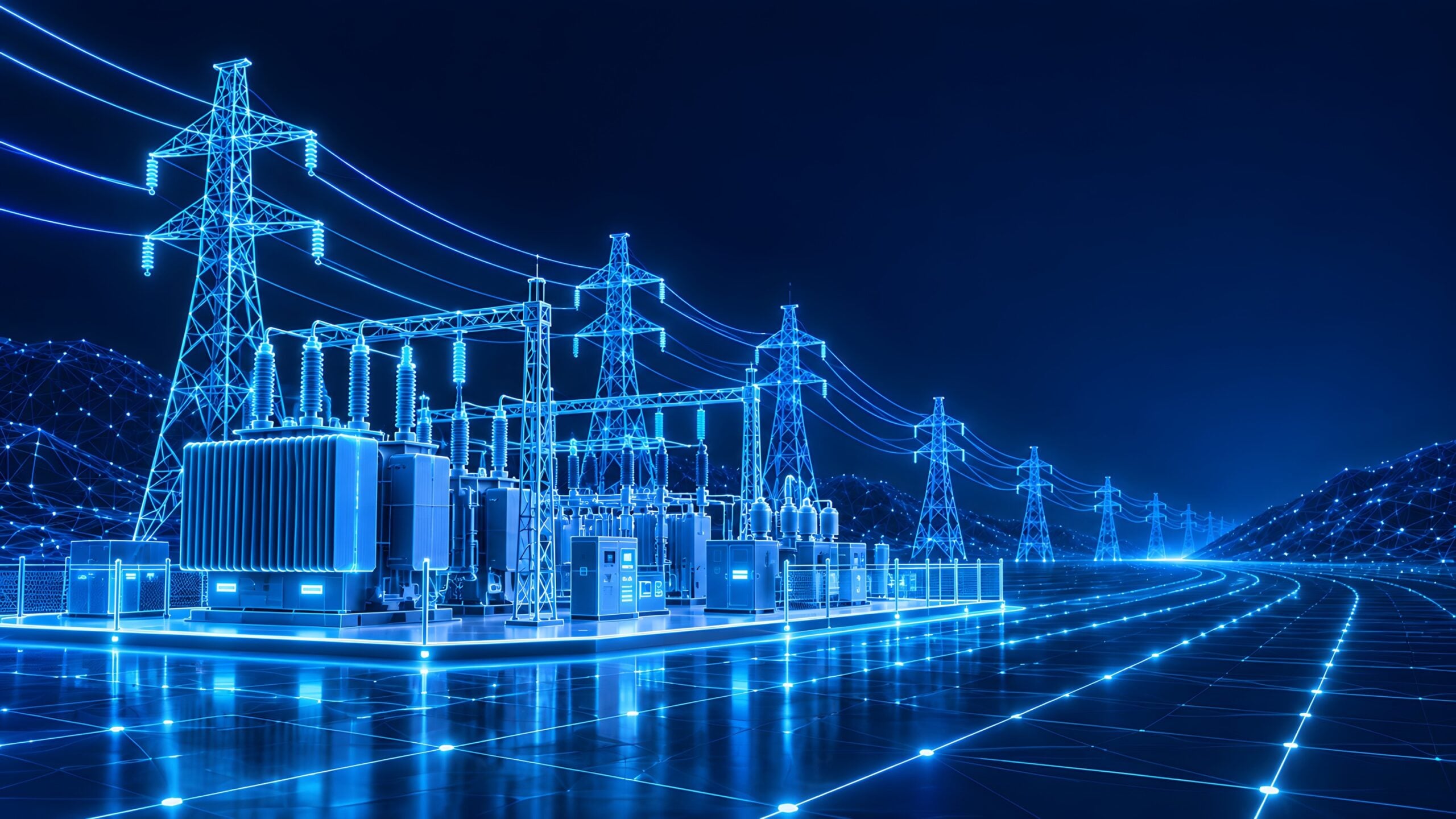



As electricity demand grows and grid constraints intensify, access to reliable power is becoming one of the most important considerations for energy-intensive development. It can influence where a project is located, how it is designed and phased, when operations begin, and how future expansion is planned. As a result, power strategy is no longer a downstream consideration; it is becoming a defining factor in where, how, and if a project moves forward.
Power has traditionally been treated as one component of site planning. For many energy-intensive developments, it is now becoming a primary factor in determining whether a project can move forward on its intended schedule.
The rapid growth of data centers, advanced manufacturing facilities, industrial campuses, electrification initiatives, and population centers is increasing electricity demand faster than existing energy infrastructure can accommodate. Utilities continue to invest in generation, transmission, and distribution systems, but new capacity may not be planned, permitted, constructed, and energized in time to meet a project’s schedule.
As a result, power strategy is moving upstream in the development process. Organizations are evaluating available capacity, utility delivery timelines, grid constraints, infrastructure requirements, and potential generation options before completing decisions that once came first.
The impact reaches far beyond the utility connection, reshaping four critical areas of development from the earliest decisions through long-term expansion.
Available electrical capacity plays a central role in determining where an energy-intensive project is located.
A site may offer suitable land, transportation access, workforce availability, and development incentives, but those advantages many times cannot outweigh limited power capacity or an uncertain delivery timeline. Project teams must understand the utility territory, nearby transmission and substation infrastructure, available capacity, anticipated peak load demand, and the improvements needed to serve the proposed facility.
Evaluating site selection power requirements early gives organizations a clearer basis for comparing locations. This early evaluation also reveals whether a promising site requires utility upgrades, new energy infrastructure, phased service, or another power solution before operations begin.

Power requirements directly influence facility and infrastructure design.
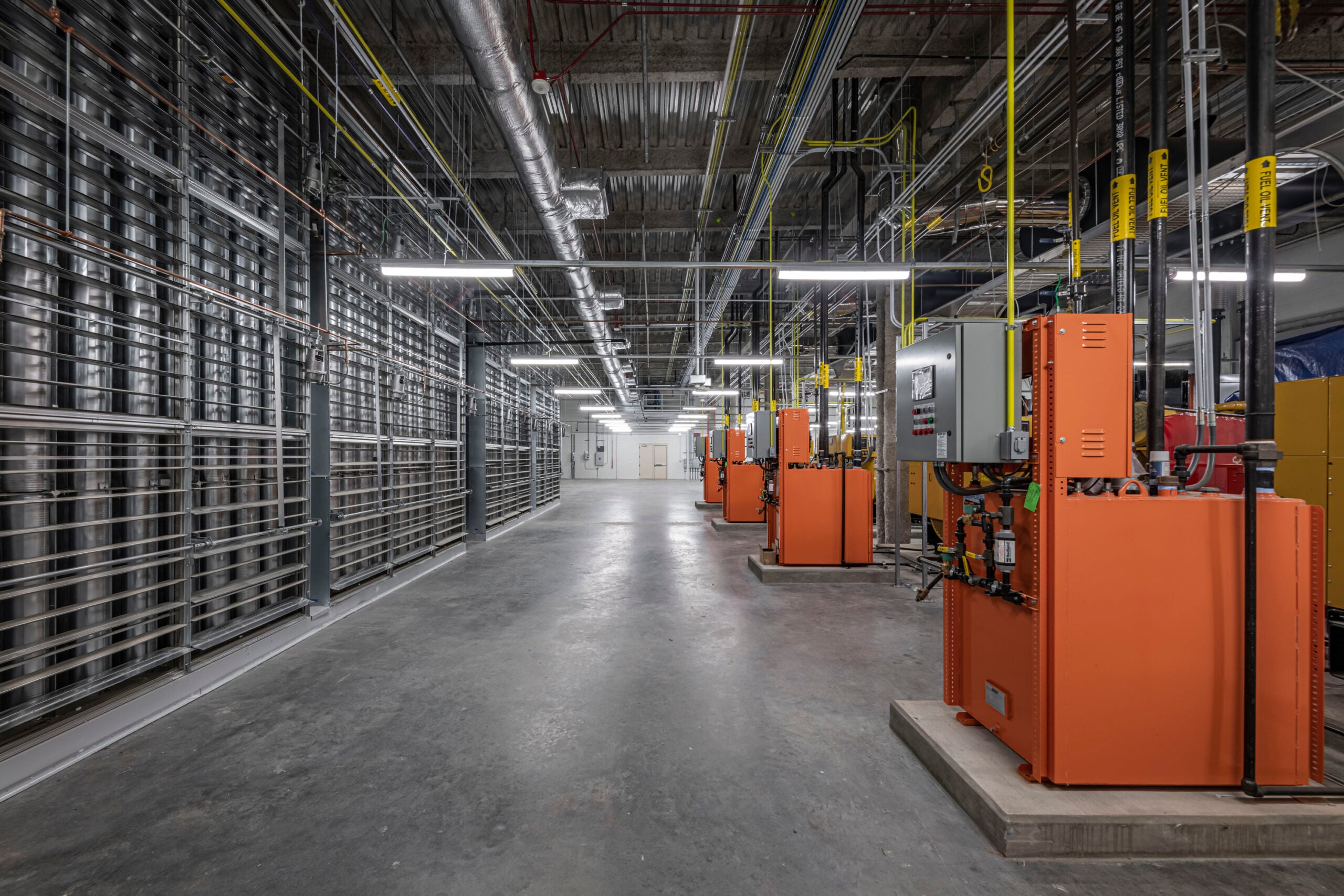
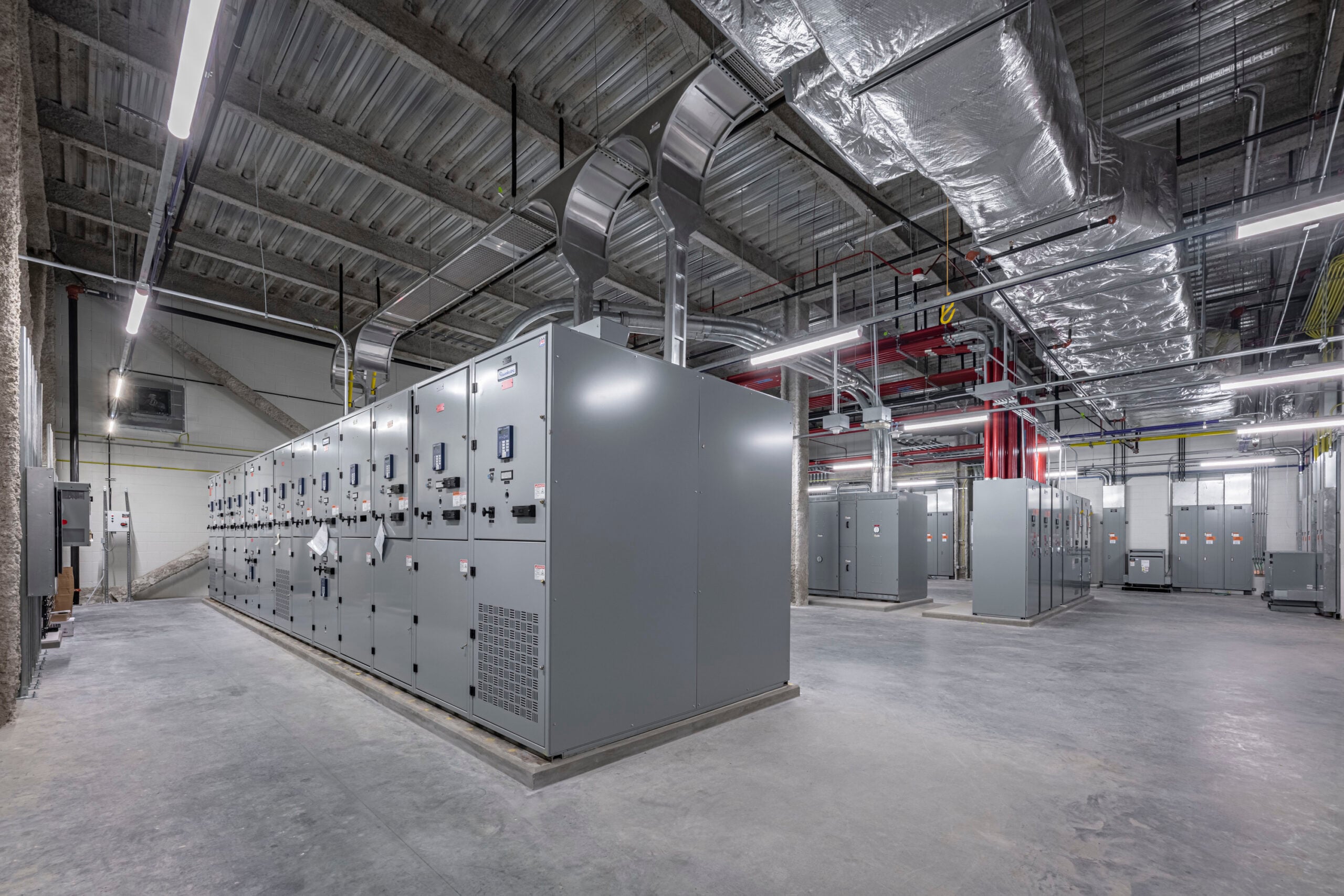
Electrical loads, redundancy expectations, reliability requirements, and future expansion plans shape the size and configuration of substations, switchyards, distribution systems, protection and control systems, and backup resources. When a project includes on-site generation, the design must account for generation equipment, fuel delivery, emissions requirements, electrical interconnections, and supporting systems.
Early power planning gives designers, contractors, utilities, and generation providers an opportunity to coordinate these elements as an integrated system rather than addressing them independently later in development.
Energization can become a critical-path milestone for power-intensive projects.
Utility studies, interconnection approvals, transmission improvements, substation upgrades, equipment procurement, and construction must often occur before permanent service is available. Long lead times for major electrical equipment can create additional schedule pressure.
Understanding these requirements early helps project teams align the construction schedule with realistic power delivery milestones. When permanent utility service cannot support the planned operational date, organizations may evaluate phased capacity, temporary bridge power, dispatchable power generation, or other approaches based on the project’s specific needs.
A utility may be able to provide some capacity before it can accommodate a project’s full electrical load. That distinction can influence how a campus or facility is developed.
Project teams may consider incremental load growth, phased construction, temporary generation, or a combination of utility and on-site resources. A phased approach can allow portions of a development to begin operating while additional grid capacity or supporting infrastructure is completed.
It can also help organizations align power investments with anticipated operational growth. However, phased capacity must be coordinated carefully so that an initial solution does not restrict future expansion or create unnecessary rework.
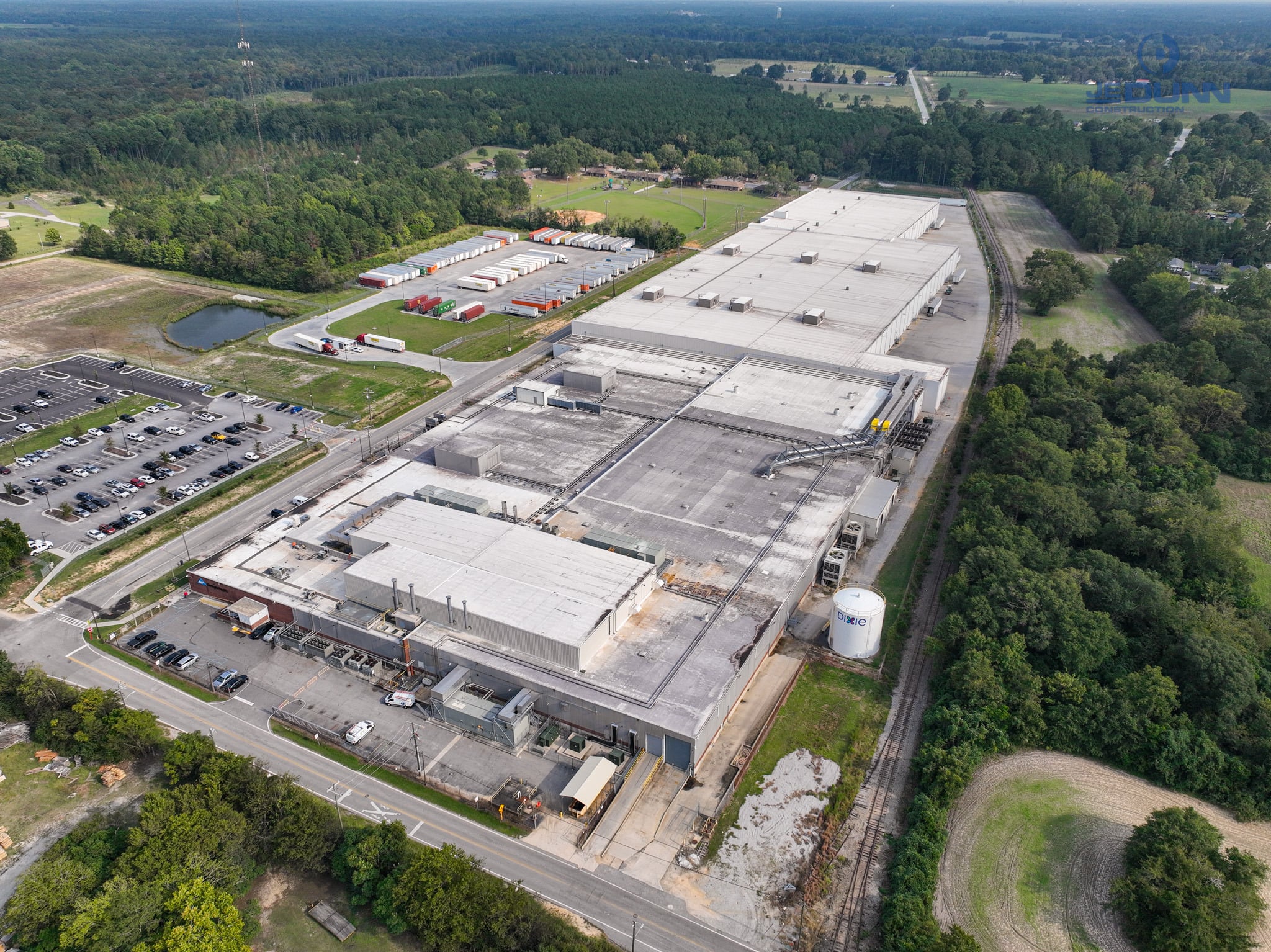
Grid constraints can affect both the availability and timing of new electrical service.
Common challenges include:
Although commonly associated with hyperscale data centers and AI-driven demand, these challenges also affect manufacturing facilities, semiconductor plants, and other large energy users. The central issue is often not whether electricity exists within the broader grid, but whether sufficient capacity can reach the site on the project’s schedule.
In many cases, the issue is not whether electricity exists within the broader grid. The challenge is whether sufficient power can be delivered to the right location, through the necessary infrastructure, on a schedule that supports the project.
Utilities may also need to balance new large-load requests with peak load demand, existing service obligations, system reliability, planned generation resources, and future regional growth. Depending on the market and project, distributed energy resources, renewable generation, battery energy storage, and grid modernization technologies may contribute to a broader solution. These resources should be evaluated against the development’s operational, reliability, and schedule requirements.
Connecting a large electrical load to the grid can require utility studies, engineering evaluations, regulatory reviews, infrastructure improvements, and specialized equipment.
The duration and outcome of that process may influence site viability, facility phasing, capital planning, and the anticipated operational date. Interconnection requirements can also change as utilities receive additional service requests or identify new system constraints.
Texas’ evolving Batch Zero process illustrates how large-load interconnection requirements can change as grid operators respond to unprecedented demand. The process reinforces the importance of project readiness, accurate load information, and early coordination with utilities and grid operators. Rather than waiting until design is advanced, project teams benefit from establishing utility coordination and power planning as early development priorities.
When utility timelines become a risk factor, many organizations begin evaluating dispatchable generation as part of their power strategy.
It is not the right solution for every project. Its suitability depends on load requirements, operating expectations, fuel availability, permitting, emissions considerations, economics, infrastructure, and long-term objectives.
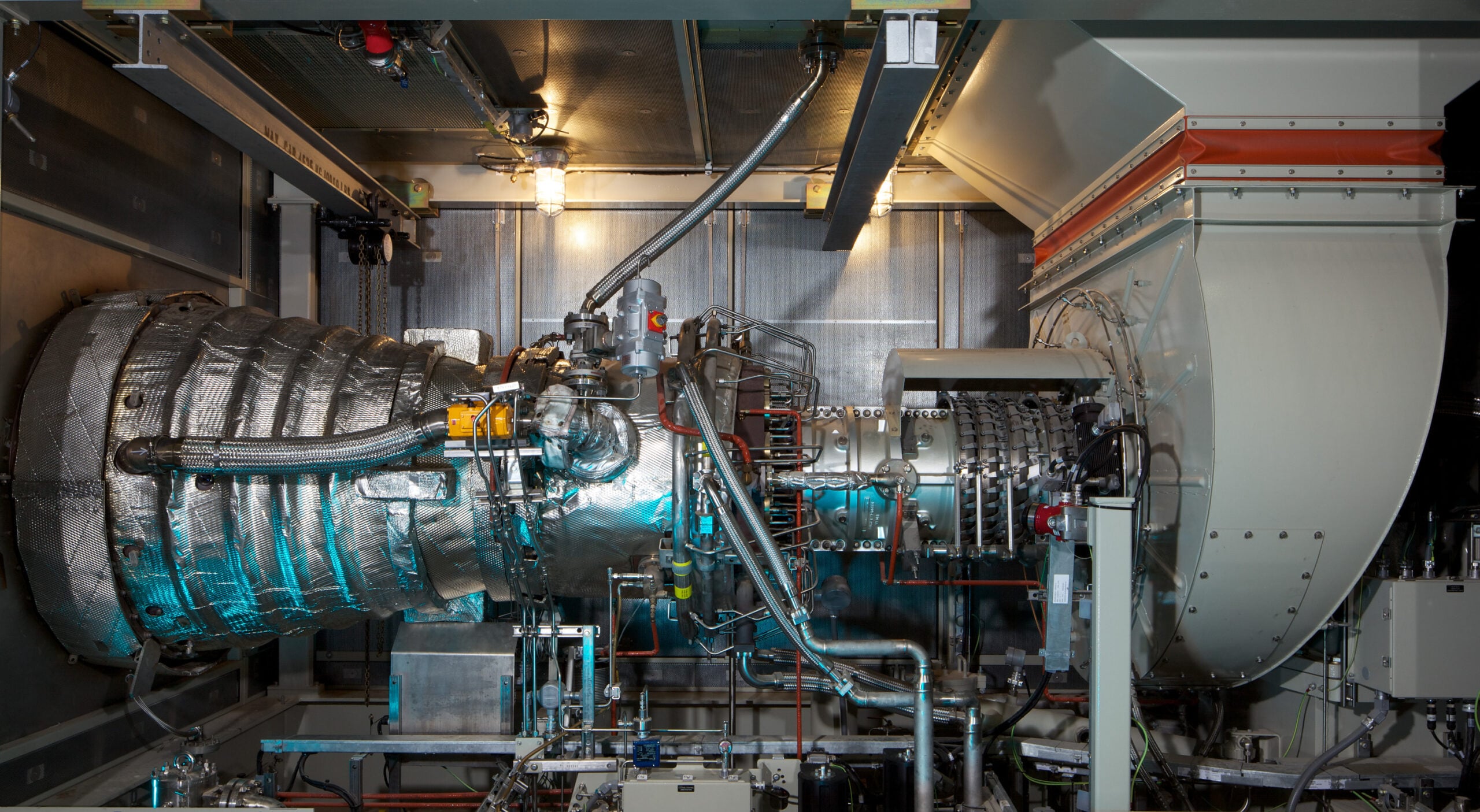
Dispatchable generation refers to power resources that can be operated when needed and adjusted to meet demand. Unlike energy sources that rely on variable weather conditions, dispatchable technologies provide controllable and predictable power.
Common technologies include:
For some projects, dispatchable generation serves as a temporary bridge until utility upgrades are completed. For others, it becomes a long-term component of the overall energy strategy.
Its value is the ability to align generation with a project’s load profile, reliability needs, phasing plan, and schedule.
A successful power strategy depends on more than the generation asset or utility supply. Substations, switchyards, distribution systems, protection and controls, fuel infrastructure, and utility interconnections can materially affect site planning, constructability, cost, and schedule. Evaluating generation and supporting infrastructure together creates a clearer path to energization and reduces the risk of late redesign.
Behind-the-meter power is one potential response to constrained utility capacity, uncertain delivery timelines, and growing reliability requirements.
It should not be viewed as a standard solution for every development. Project teams must evaluate it against utility service options, operating needs, permitting requirements, economics, environmental considerations, and long-term energy goals.
Behind-the-meter power generally refers to generation or energy resources located on the facility side of the utility meter that directly support on-site electrical loads.
These systems may serve several purposes, including:
For many energy-intensive users, behind-the-meter solutions can provide greater control over power supply, phasing, and reliability than a utility-only approach.
The trend is particularly visible in the data center market and other energy-intensive developments, where project teams are evaluating behind-the-meter power to address grid constraints, improve speed to market, and support future growth.
Early planning should address five questions:
The answers will vary by market, industry, and project goals, but the overall trend is becoming clear: Power availability is influencing development decisions earlier than ever before.
Organizations that integrate energy strategy into project planning from the outset will be better positioned to navigate infrastructure challenges, reduce schedule risk, and support long-term growth.
Power availability must be addressed before site plans and schedules are finalized. This requires a partner who understands how energy strategy, design, and construction intersect from the earliest stages of a project.
JE Dunn brings together power, industrial, manufacturing, and mission critical expertise to help clients evaluate utility constraints, dispatchable generation, behind-the-meter options, and supporting infrastructure. By aligning energy strategy with design and construction planning, project teams can establish a more realistic path to energization and reduce the risk of late changes.
Ready to discuss your project’s power strategy? Contact us

