Q3
2026
The Look
Ahead

Strong investment across data centers, power and infrastructure continues to create opportunity, but construction conditions vary significantly by sector. As cost escalation, labor availability and policy uncertainty persist, proactive planning and procurement will be critical to controlling risk heading into 2027.

Play Video

Navigating an Uneven Market

National Market Overview

The construction market isn’t moving in one direction. Instead, a widening gap is emerging between sectors benefiting from major investment and those facing continued pressure from higher borrowing costs.

AI, data centers, power and advanced industries are capturing a growing share of investment, while data centers, healthcare, infrastructure and power remain among the more active construction markets. Conversely, office, multifamily and other rate-sensitive development continues to face headwinds. Manufacturing construction has also eased as a number of megaprojects advance beyond their periods of peak activity.

Democrats’ control of the House and Senate means two years of divided government in Washington. For construction, that points to fewer sweeping policy changes, but infrastructure funding, energy policy, permitting, tariffs, and immigration remain important to project feasibility, costs, and schedules. Beyond Washington, concerns around power, water, and incentives underscore the growing importance of community acceptance especially for data center development.

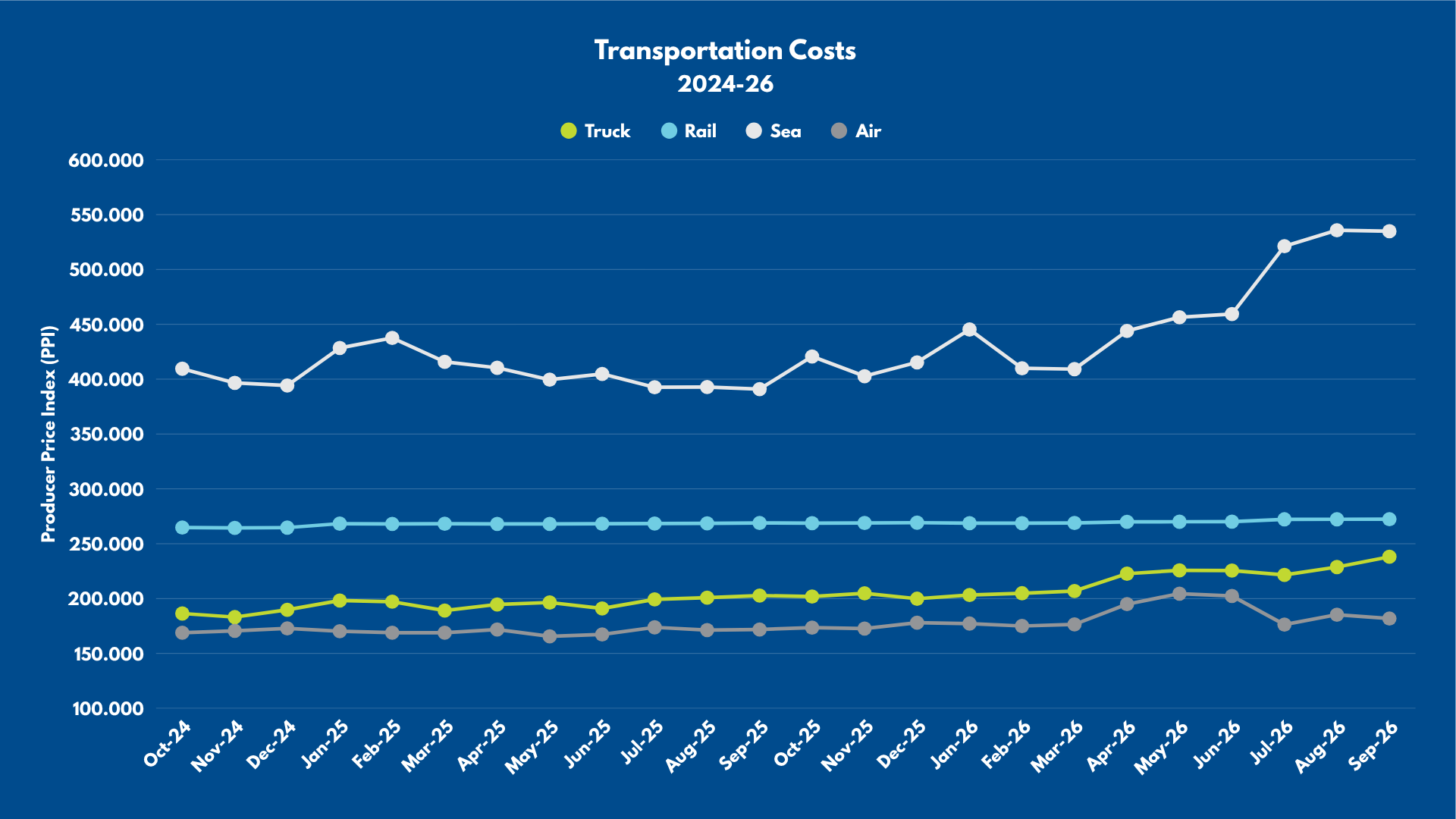
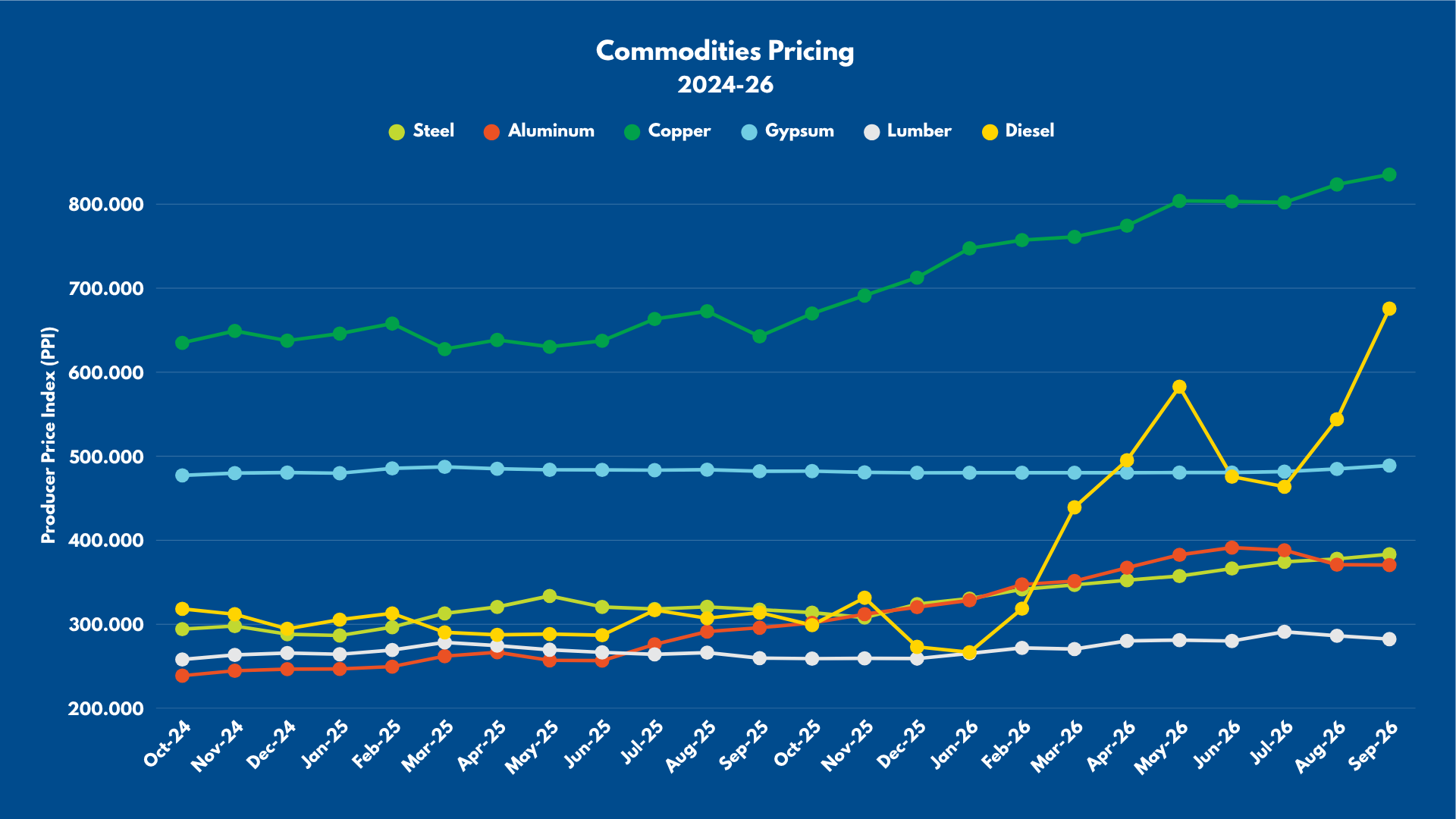
Meanwhile, QCI feedback from JE Dunn offices indicates continued pressure on steel, copper, fuel, and electrical equipment, along with skilled labor constraints in electrical and mechanical trades. Competitive bidding is providing some relief, but escalation risk persists.

Heading into 2027, early planning and procurement remain critical to managing project budgets and schedules.
Construction
Indicators

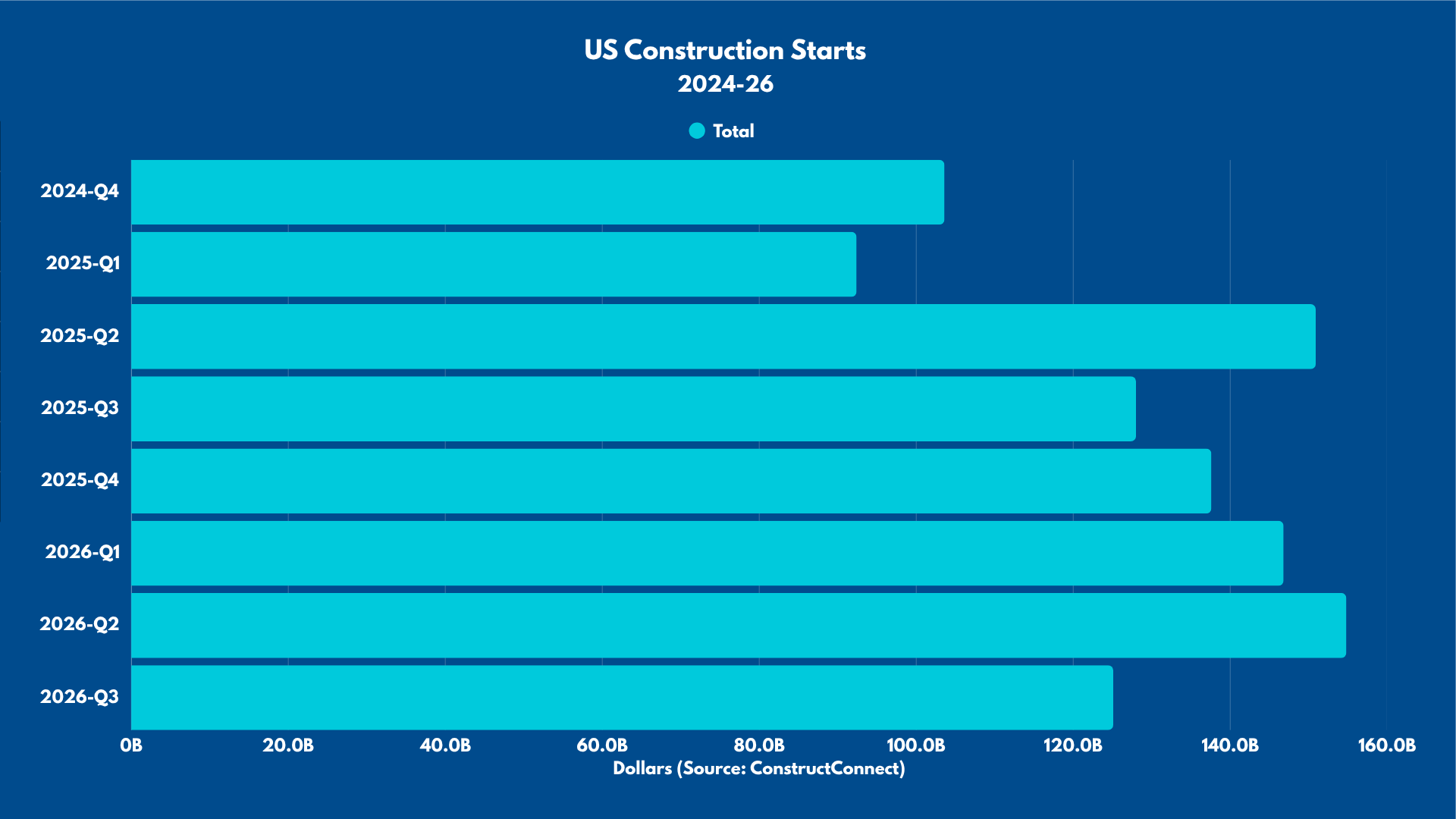
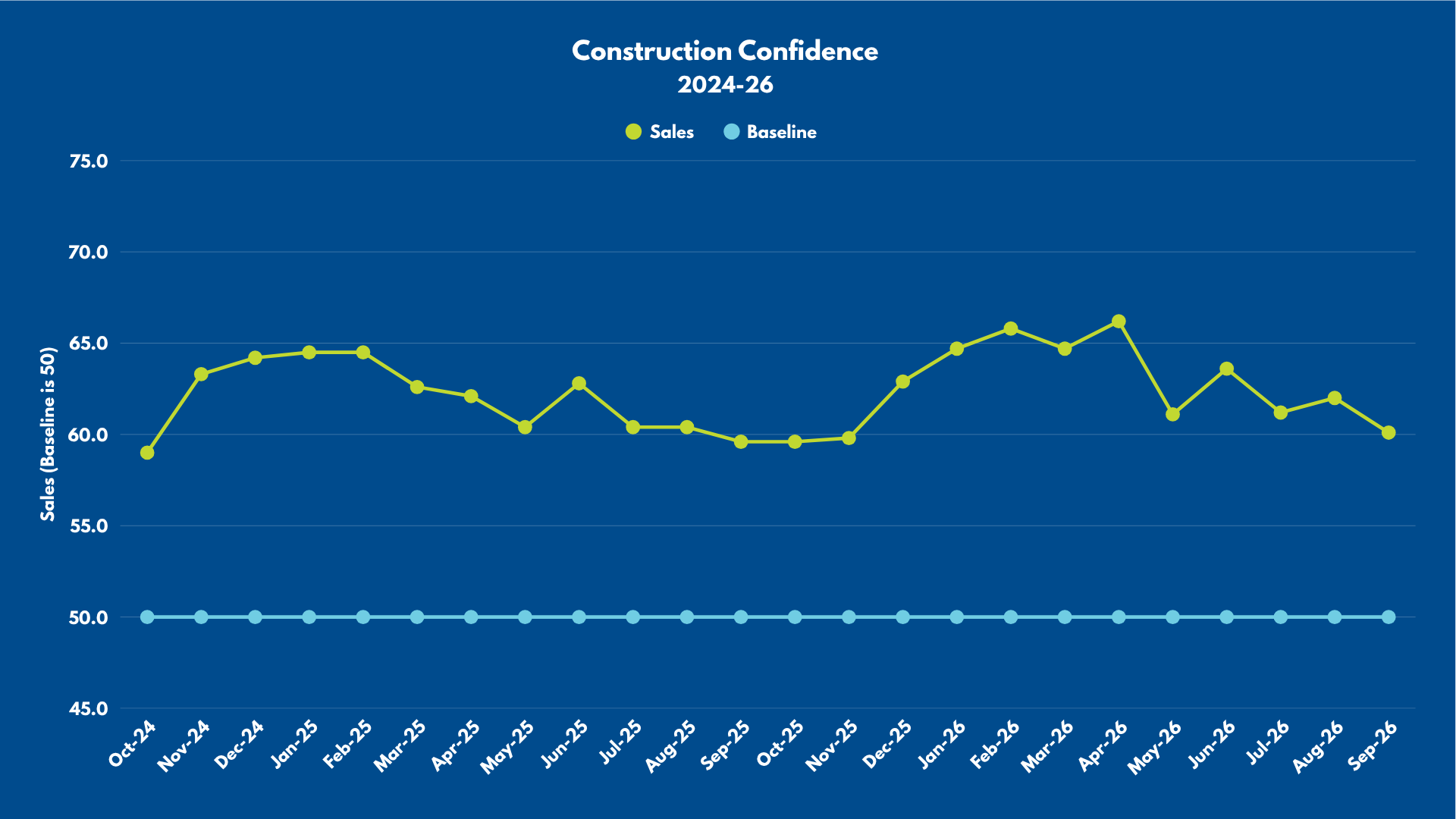
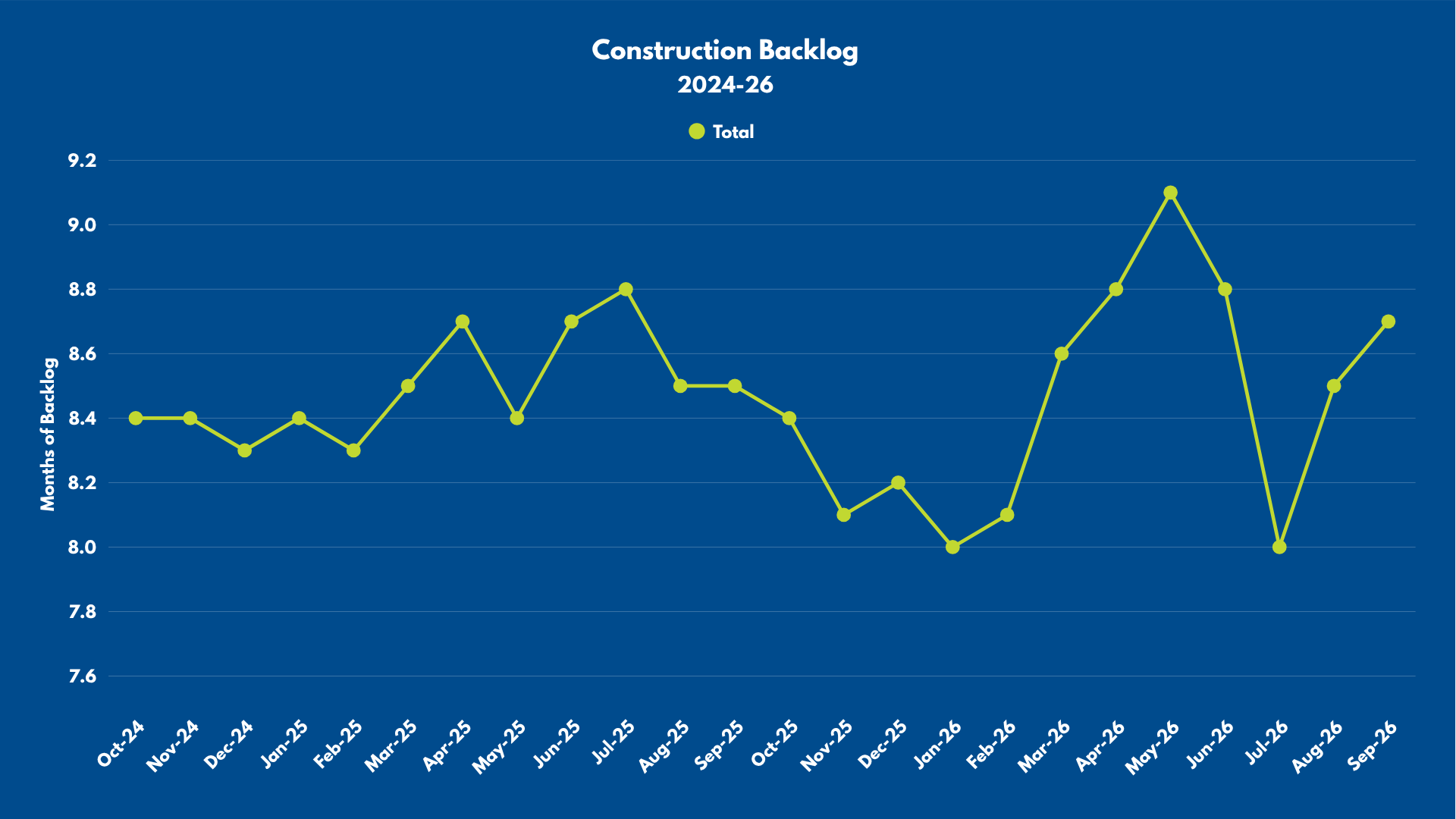
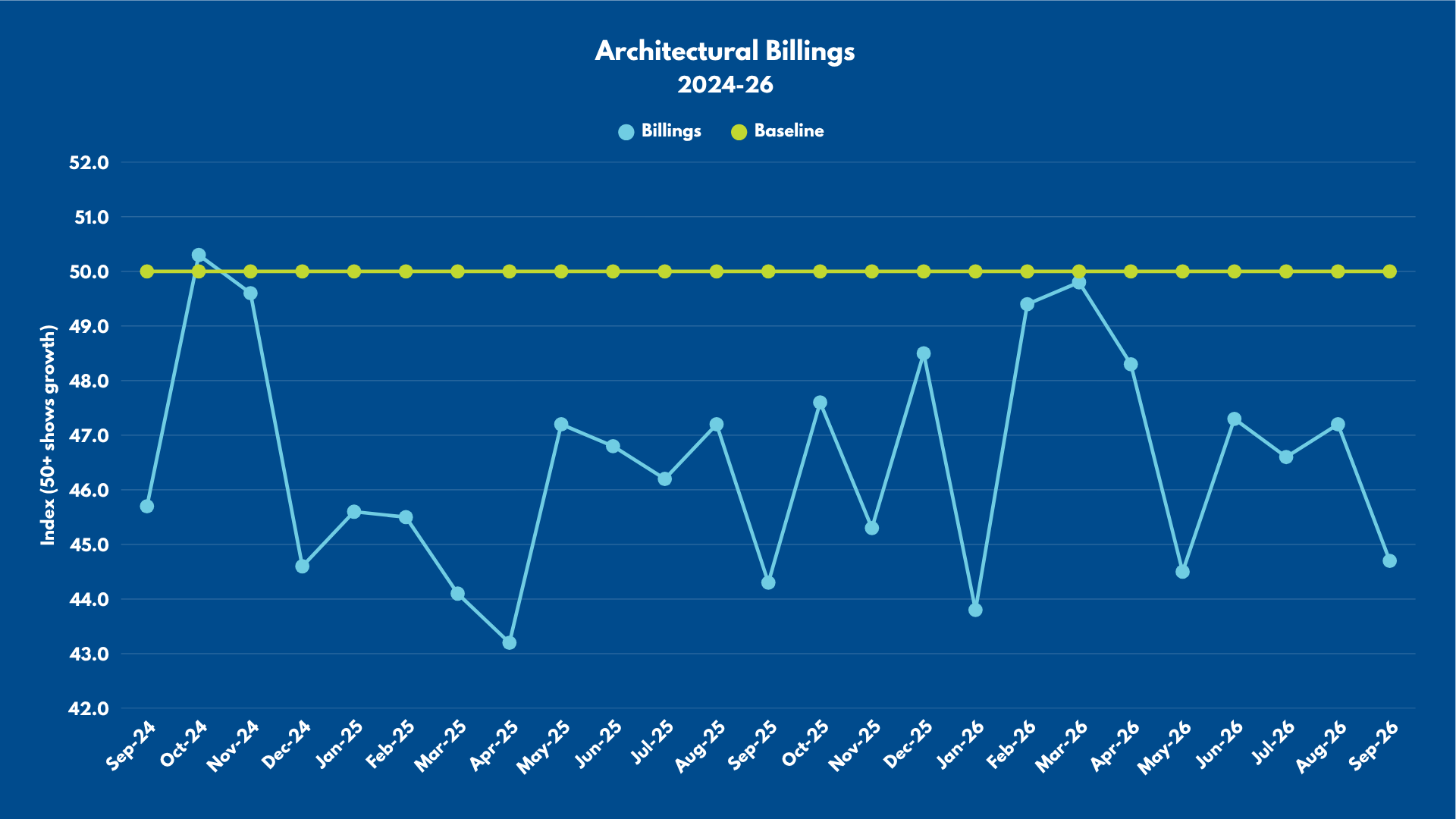
Explore the latest trends shaping the construction market, from project starts and backlog to contractor confidence, material pricing, transportation costs and architectural billings.

“Heading into 2027, Washington will be more divided. The construction market may be increasingly divided as well. Public infrastructure, power, manufacturing, and data centers continue to have strong underlying demand, while financing costs, labor constraints, tariffs and regulatory uncertainty remain meaningful challenges.”

Will Roberson
Economist

What the Blue Wave Means for Construction

With Democrats set to control Congress, this spotlight breaks down what the elections results could mean for construction. JE Dunn Economist Will Roberson provides analysis on how shifts in infrastructure, energy, tax, and workforce policy could shape investment priorities, project demands, cost, and growth.

Local Market Overviews

Stay informed with what is happening in your local market. Download your localized report now!

Ready to Work With Us?
contact us
No data was found
No data was found