Economic growth remained resilient in Q2, though investment and construction demand became increasingly concentrated in AI, data centers, advanced manufacturing, and power infrastructure.
Play Video
How the K-Shaped Economy is Impacting the Construction Industry
National Market Overview
The second quarter underscored a familiar economic pattern: Growth continues, but it is becoming more concentrated across a narrower set of industries.
Resilient consumer spending, low unemployment, and easing recession concerns point to an economy that still has momentum. However, much of that strength is tied to sectors connected to AI, data centers, semiconductors, and power infrastructure. Investment in those areas remains strong, while sectors more sensitive to interest rates continue to face headwinds.
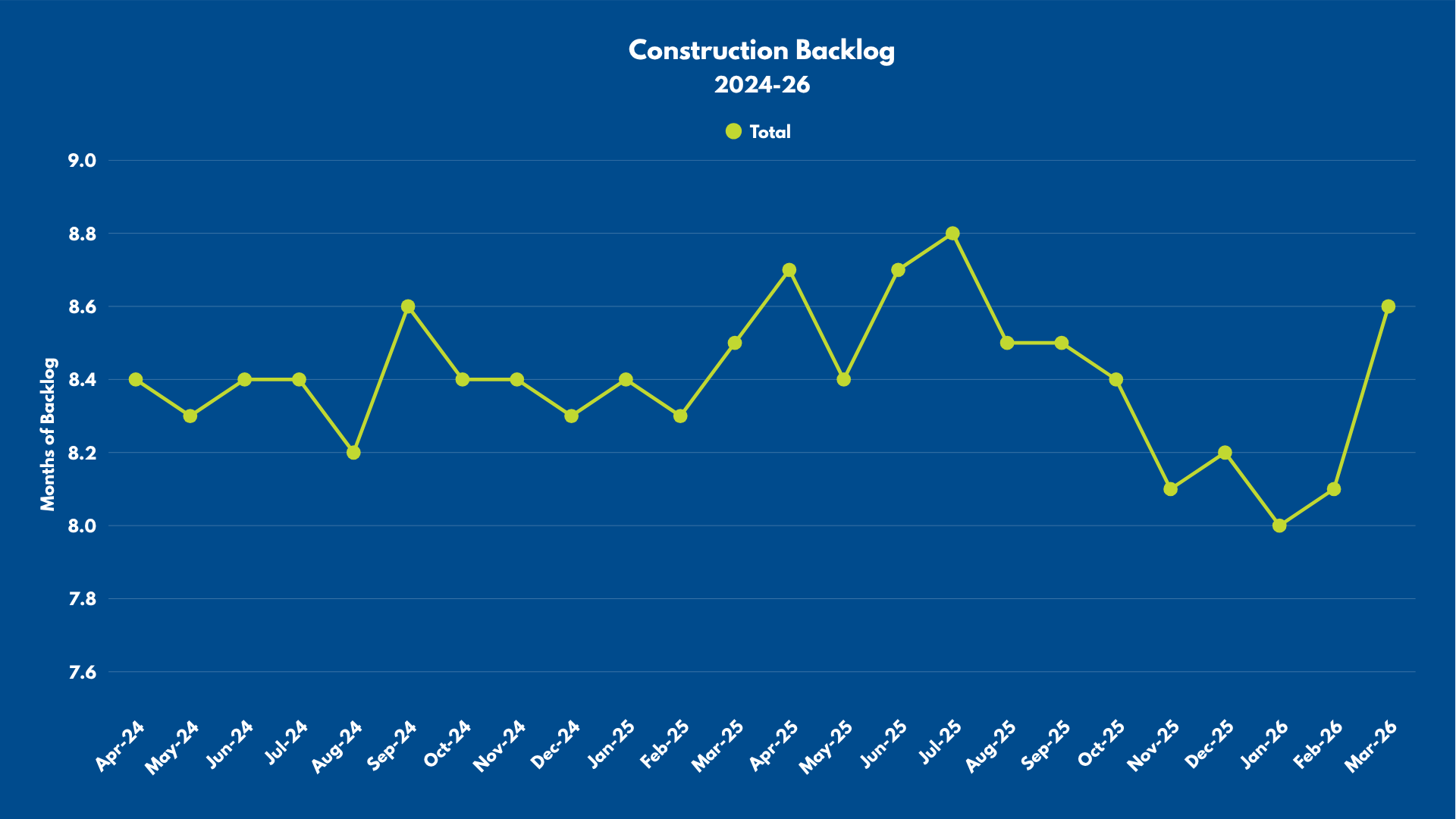
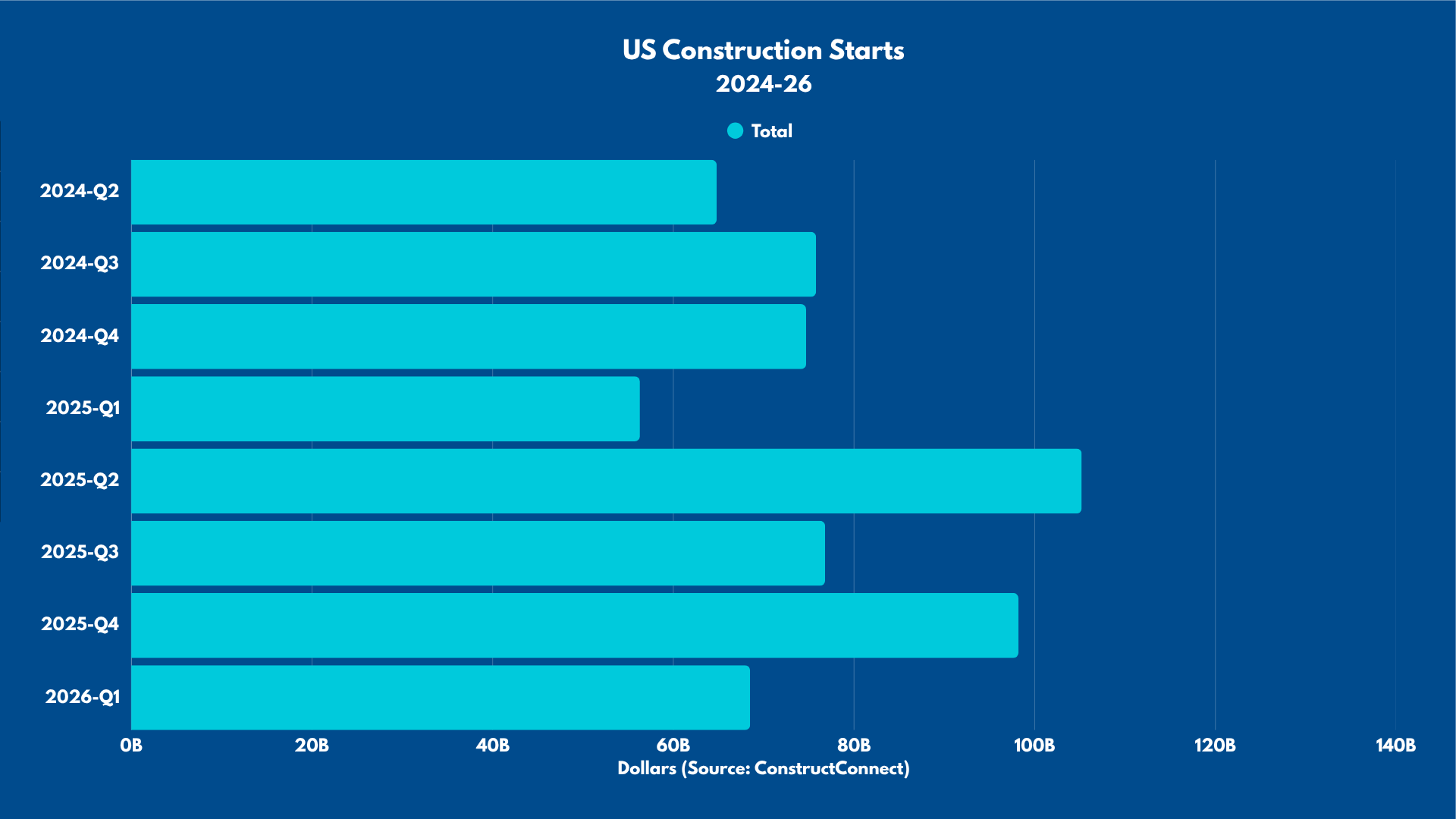
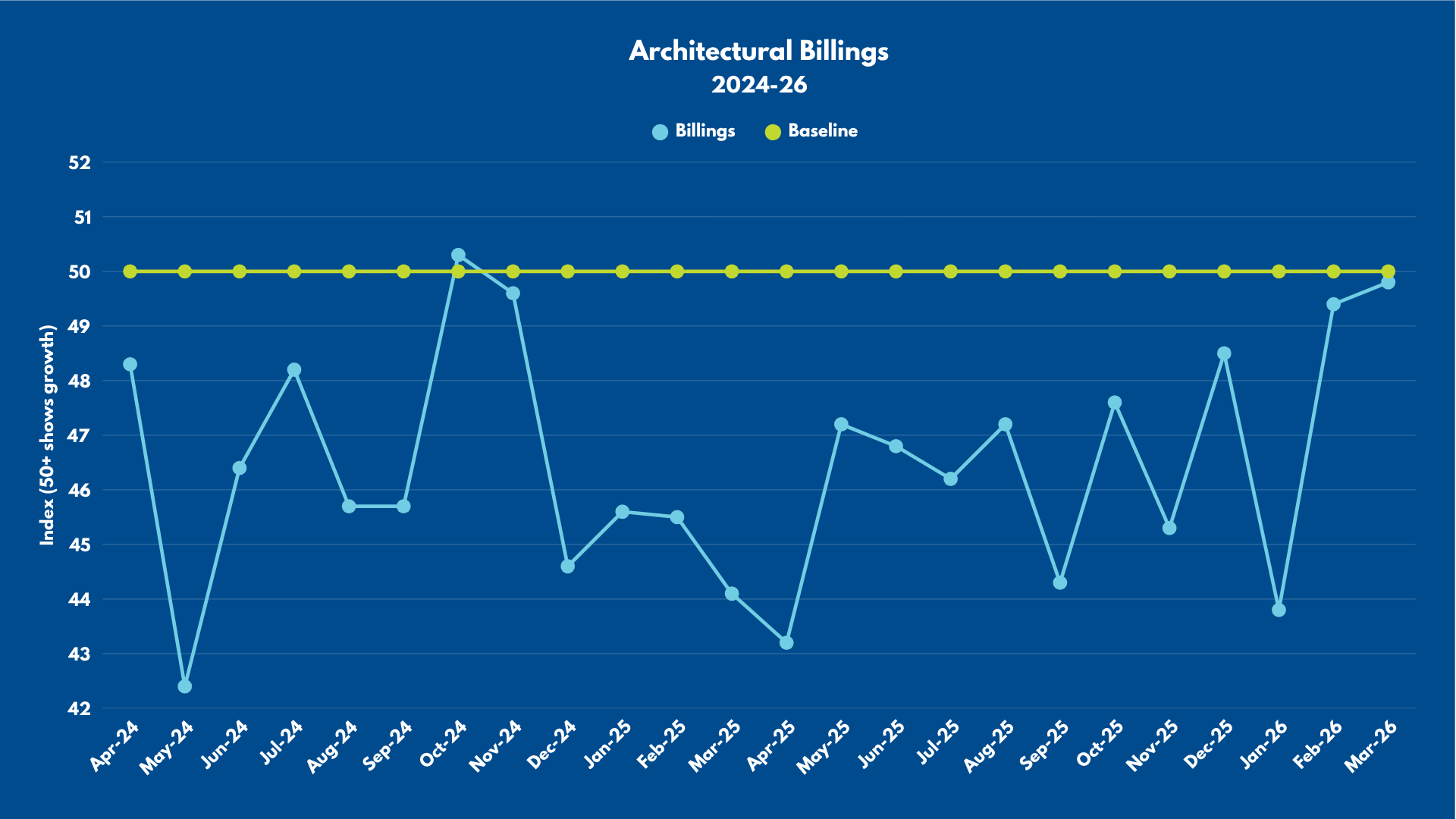
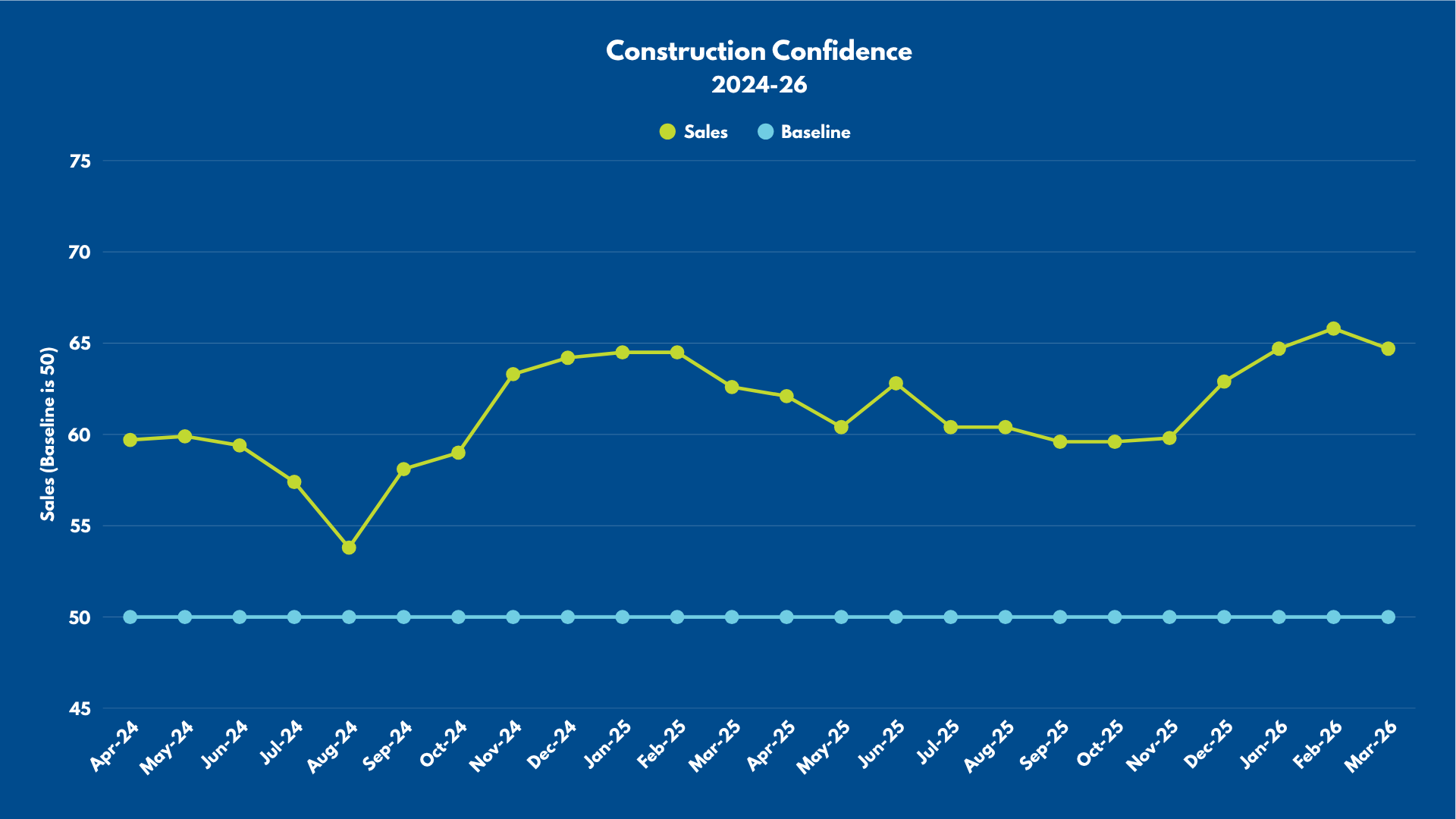
For the construction industry, the result is an uneven market. Overall nonresidential activity has moderated from the rapid pace of recent years, yet demand remains strong in data centers, power generation, advanced manufacturing, and select infrastructure sectors. In many regions, opportunities remain available, but they are increasingly concentrated in specific project types.
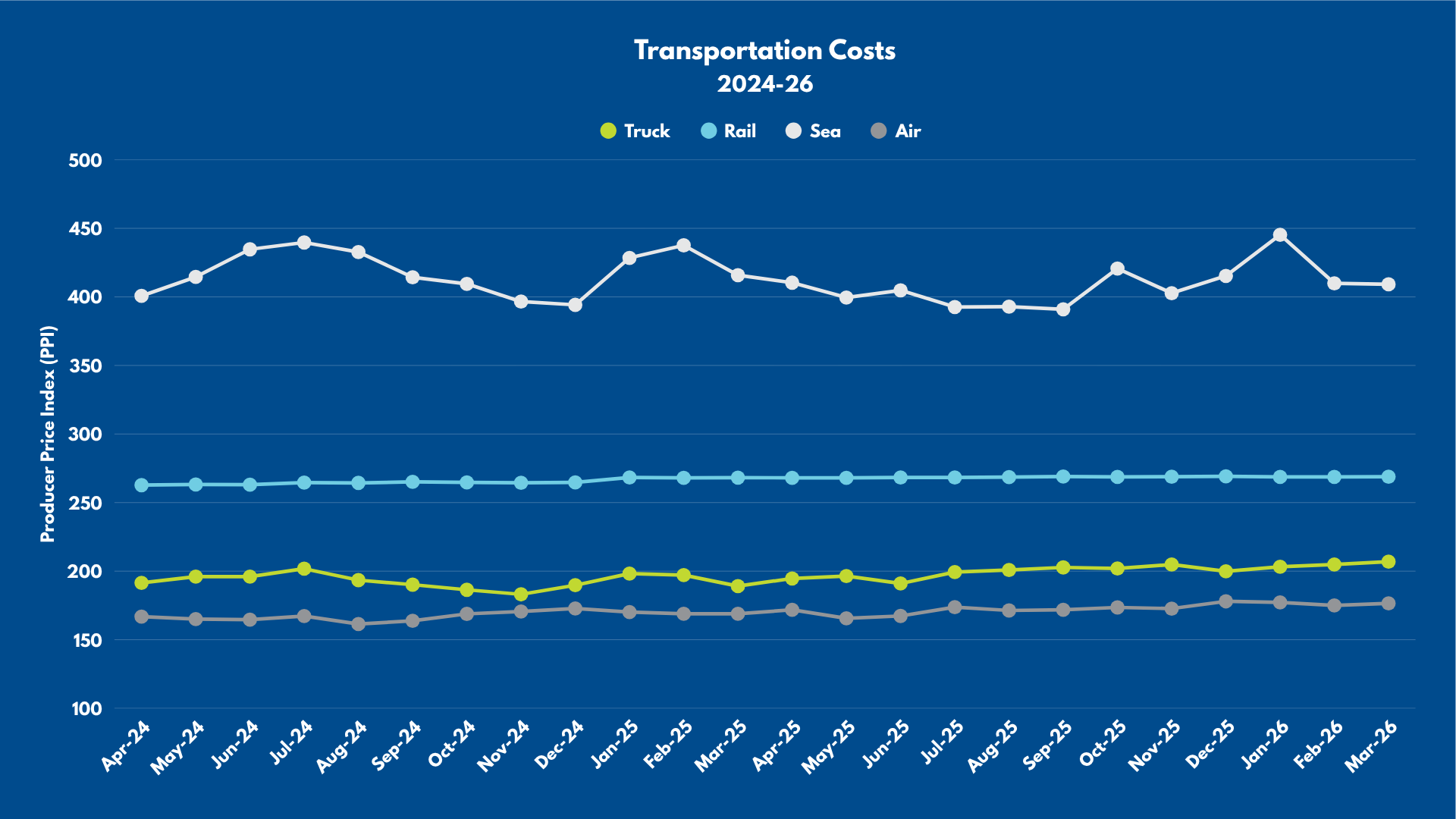
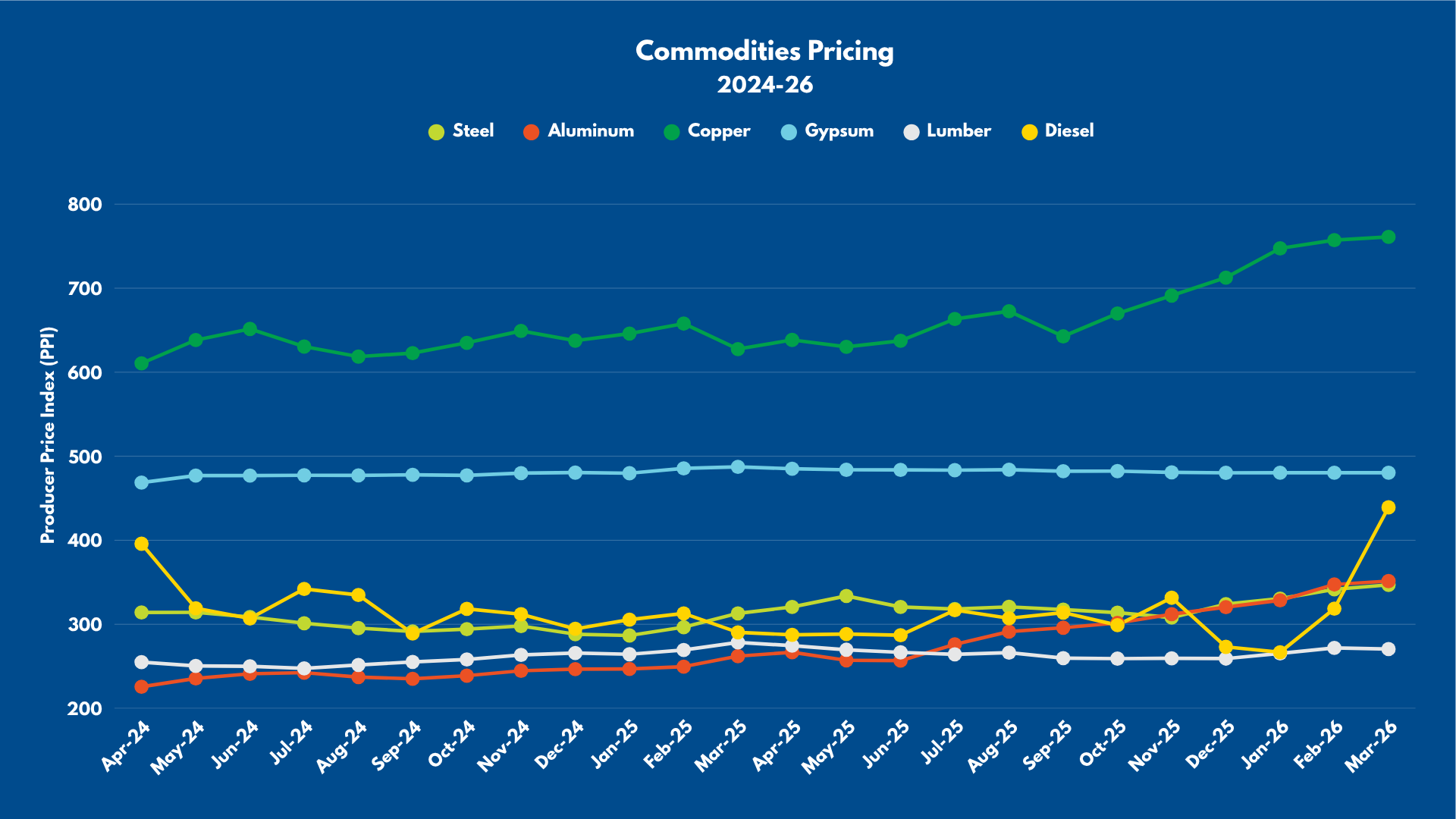
Cost pressures also remain a key consideration. Labor availability, energy prices, trade policy, and tariffs continue to influence project budgets and schedules, with metals and fuel expected to remain especially volatile in the near term.
Looking ahead, the base case continues to call for modest economic expansion through the second half of the year. While the broader economy remains on stable footing, the margin for error is narrowing as growth becomes more dependent on fewer sectors and more exposed to potential policy or market disruptions.
Construction
Indicators
Looking ahead, we anticipate that pricing conditions will remain difficult, with continued upward pressure on key inputs.
“The U.S. isn’t on the cusp of a recession, but the cushion between expansion and contraction is narrowing.”
Will Roberson
Economist
Economy on a Narrow Runway
This spotlight breaks down why the U.S. economy appears steady but there are weak spots building just beneath the surface. JE Dunn economist Will Roberson highlights the pressures shaping the rest of 2026, including slowed job growth, uneven consumer strength, and the AI-driven demand for power, data centers, and infrastructure.
Industry Winners and Losers in a K-Shaped Environment
Industry Winners and Losers in a K-Shaped Economy: In a K-shaped economy, industries tied to structural demand and AI investment are better positioned, while sectors exposed to interest rates or weaker consumer spending face more pressure.
Risks and Opportunities that Could Shift the Baseline
Risks and Opportunities that could Shift the Baseline: The baseline for 2026 remains vulnerable to policy and global risks, with AI-market swings adding another source of uncertainty. The clearest upside comes from productivity gains paired with a more favorable interest-rate environment.
Demographics Fallout from a Bifurcated Economy: Demographic and affordability pressures are slowing household formation and limiting mobility, creating a housing outlook defined by steady rental demand and a tougher path to homeownership.