The year began with a modest gross domestic product (GDP) growth of 1.4% in the first quarter. However, preliminary data for the second quarter reveals a significant improvement, with the GDP growing at an annualized rate of 2.8%.
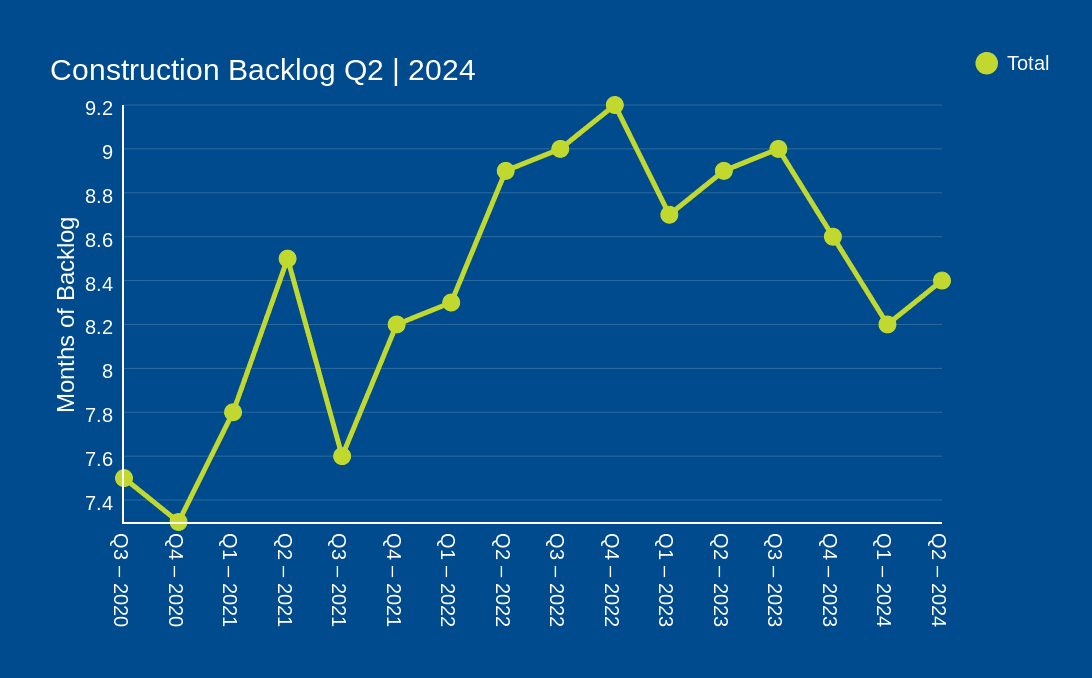
A decline in home construction and high interest rates have led to fewer job openings in the construction industry during the first half of the year. This has brought employment levels back to pre-pandemic norms, indicative of a cooling labor market – a development that aligns with the Federal Reserve’s goal of reducing inflation toward the 2% target.
During the July Federal Open Market Committee (FOMC) meeting, the Fed announced they will maintain current interest rates, setting the stage for a potential rate cut later this year. Some markets have reported that certain projects remain on hold, awaiting more favorable conditions to enhance budgets and pro forma financial statements.
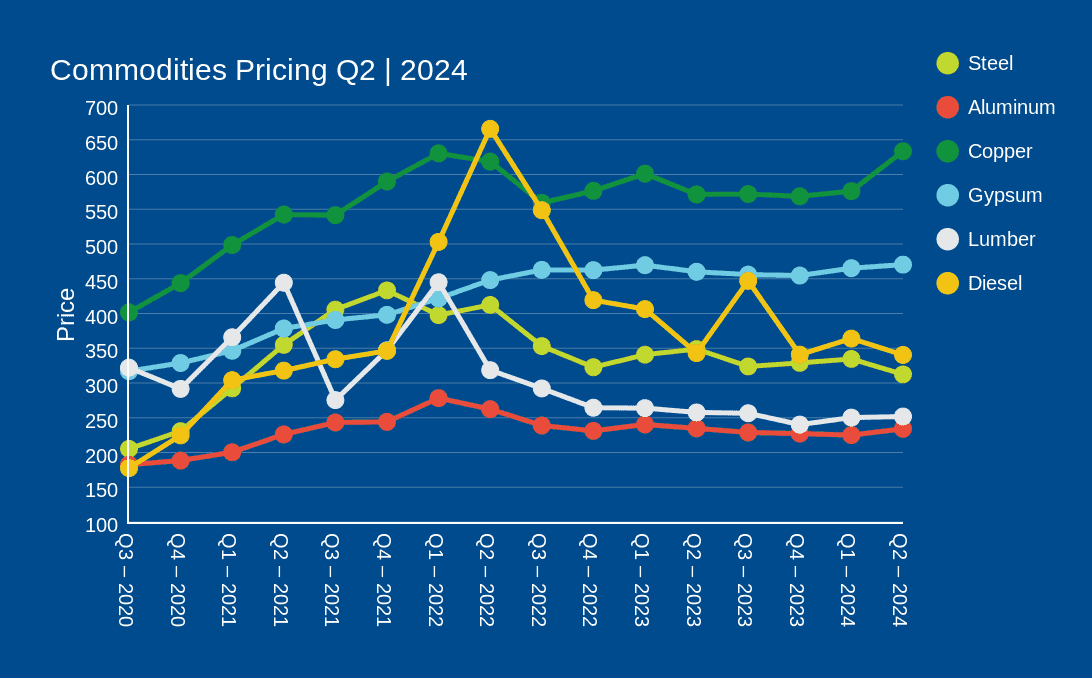
Overall, our markets experienced a price increase of just under 1% for the quarter. Material prices were mostly stable, with rising costs for copper, aluminum, and concrete balanced by decreasing prices for steel and diesel. Wage rates continue to rise, and the availability of skilled labor remains a significant challenge. This issue is compounded by large-scale projects nationwide that have drained a considerable portion of the labor pool, making it difficult for smaller and mid-sized projects to move forward.
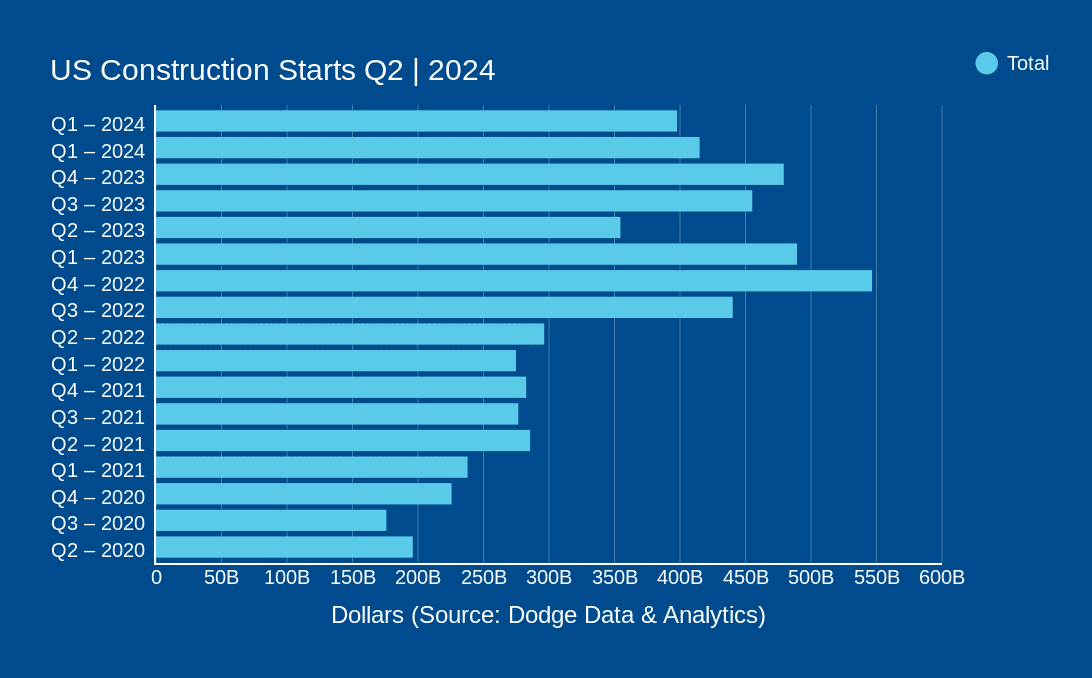
The data center and semiconductor sectors showed strong activity this quarter, with healthcare, higher education, federal, and industrial sectors also contributing to the overall market balance.
Play Video
We examine the ABI, the labor market deficit and the economic impact of sustainable construction practices in this issue’s Current Events.
National
Economic
Webinar
Date
Sept. 5th
Time
2:30 CDT
Hear how JE Dunn’s expertise and innovative solutions can help you navigate economic changes and support your needs.
Register Now
Register Now

7
speakers
hear from
our experts!

In this spotlight, Chris Migneron, National Design Director, discusses the benefits of integrating design services and how this approach enhances collaboration among architects, general contractors, and other stakeholders. He underscores how the integrated design approach preserves design integrity, aligns with owner visions, and facilitates more efficient project delivery.
“With project costs rising and speed to market becoming more critical, efficient project delivery and cost certainty are more vital than ever. Establishing collaboration between designers and contractors from the outset enables streamlined project management, cost and schedule optimization, and quality assurance while bringing constructability perspectives to the design process.”
Chris Migneron
Senior Vice President
National Design Director

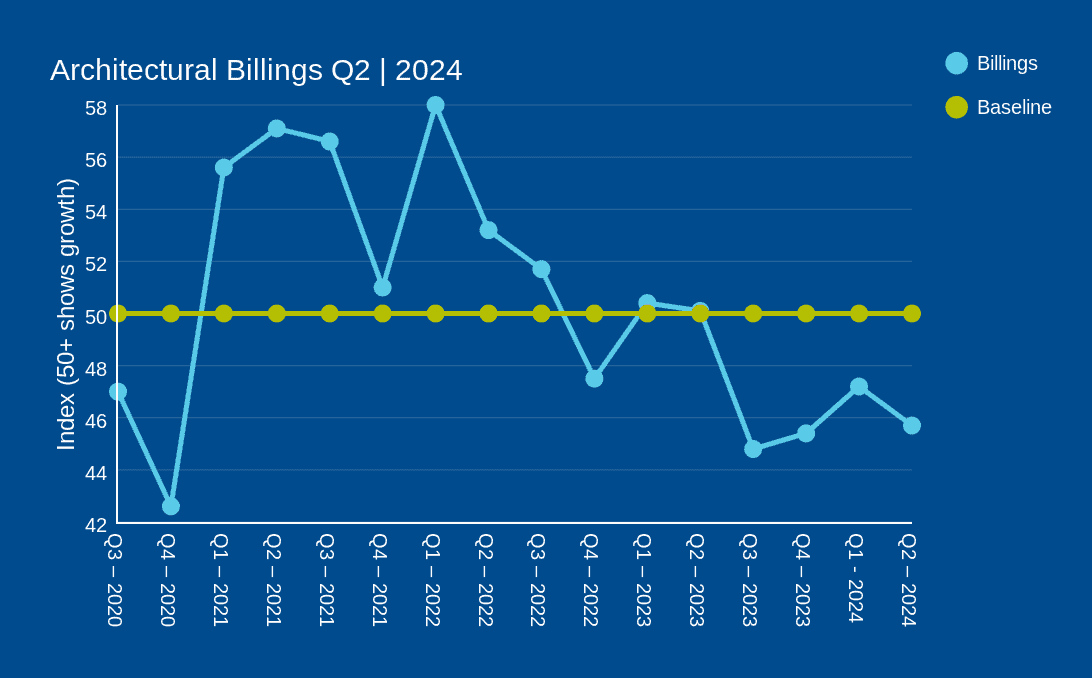
The Architecture Billings Index (ABI) for April has risen to 48.3 from March’s 43.6, indicating billings are still on the decline across the industry.

The number of job openings in construction fell dramatically in the early part of 2024, with a 24% decline from February to March.

Sustainable construction, also known as green building, is revolutionizing the industry by prioritizing environmental impact and responsibility throughout a building’s lifecycle.
Stay informed with what is happening in your local market. Download your localized report now!
DOWNLOAD
Now!